
Editorial

All CommunityDesign After DesignEntangled EssaysPowerPracticeSelf

The Writing Agent

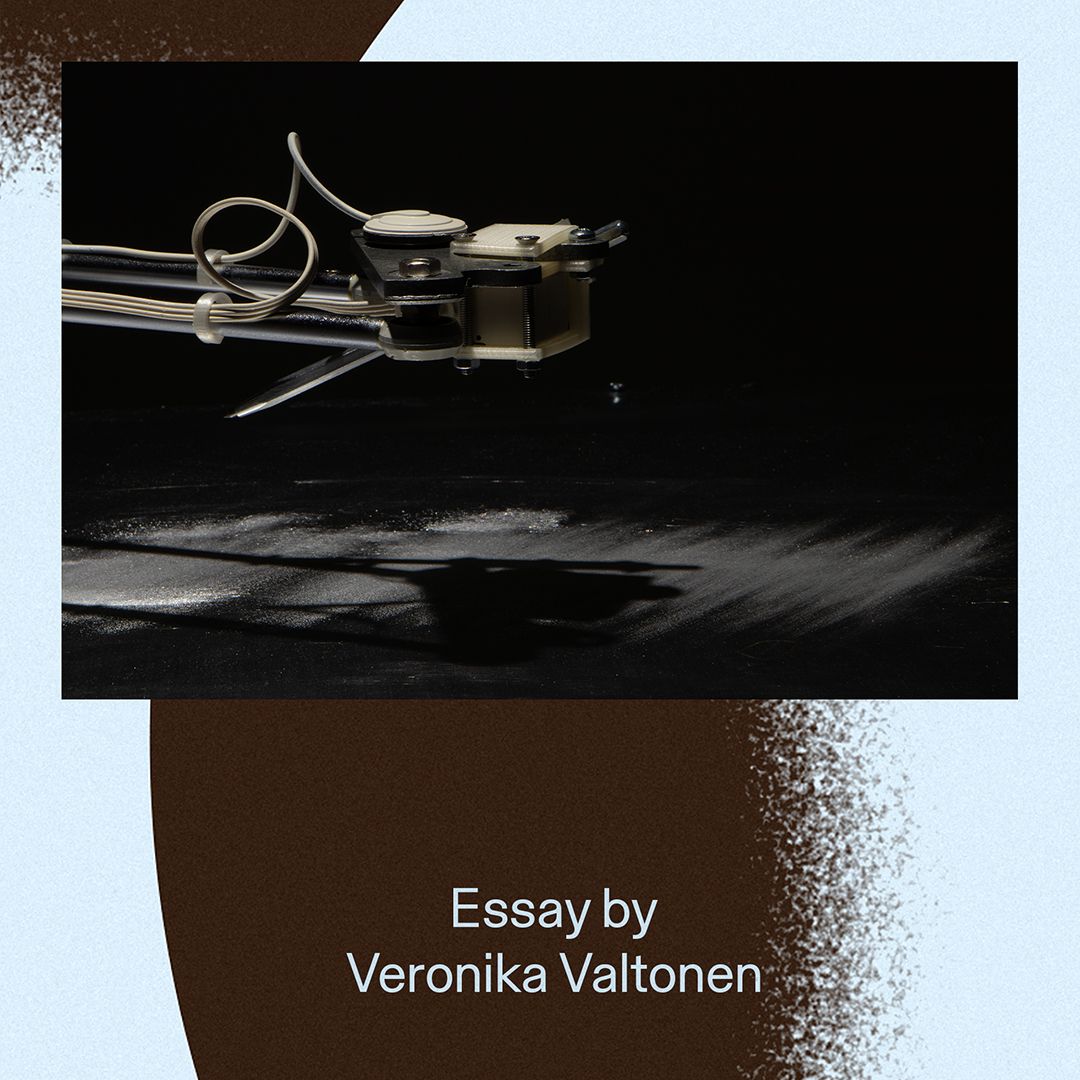
It’s 2090, and intelligent technologies have advanced to a point where the practice of reading has become obsolete. Veronika Valtonen's speculative fiction reframes the current typographic condition against the backdrop of a rapidly developing technological landscape.

Echoes of Influence: A Personal Essay on Romanian Visual Heritage

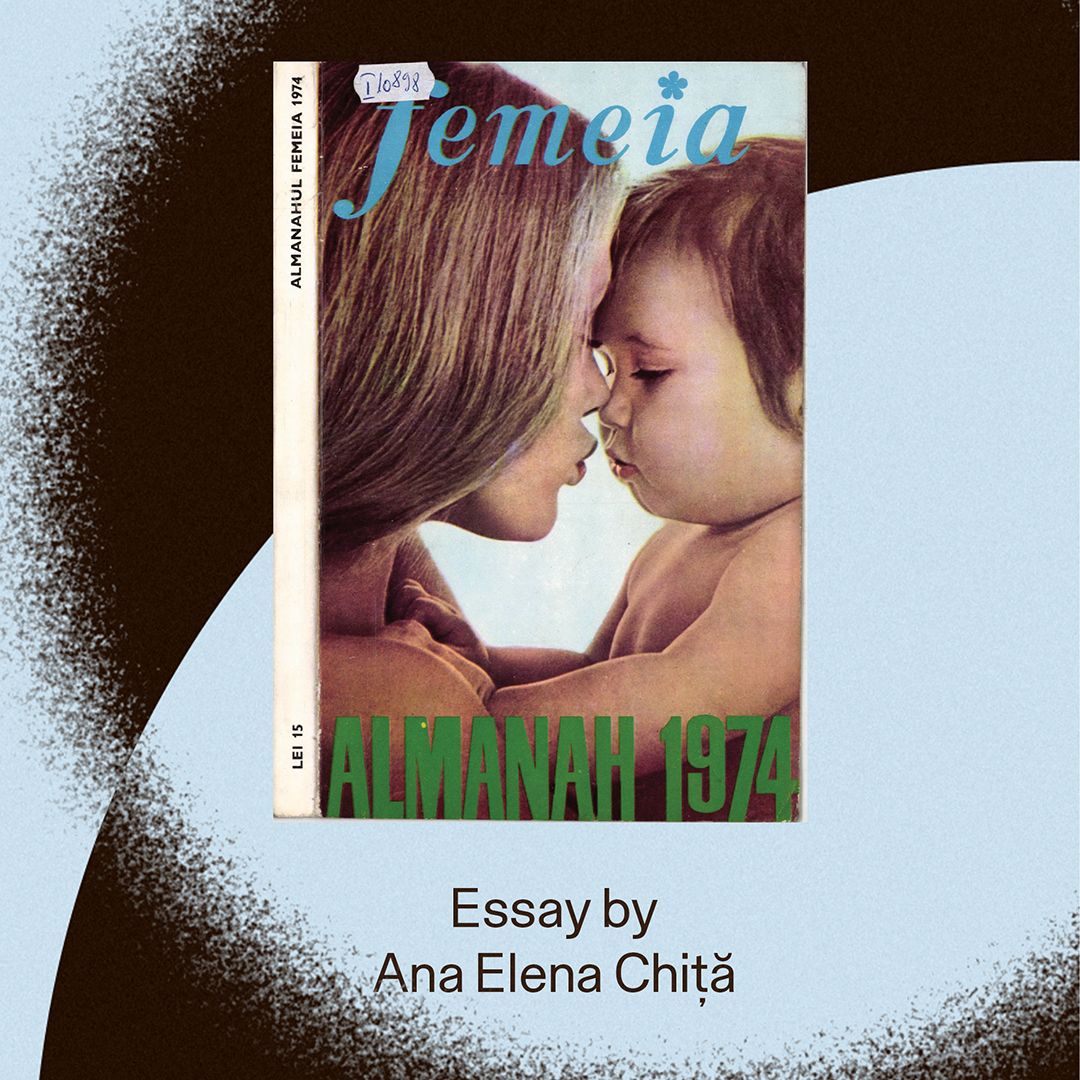
Ana Elena Chiță's essay examines the evolution of Romania’s national visual identity exploring a scattered archive of historic periodicals to understand how everyday imagery, typography, and design choices constructed ideology and aspiration.

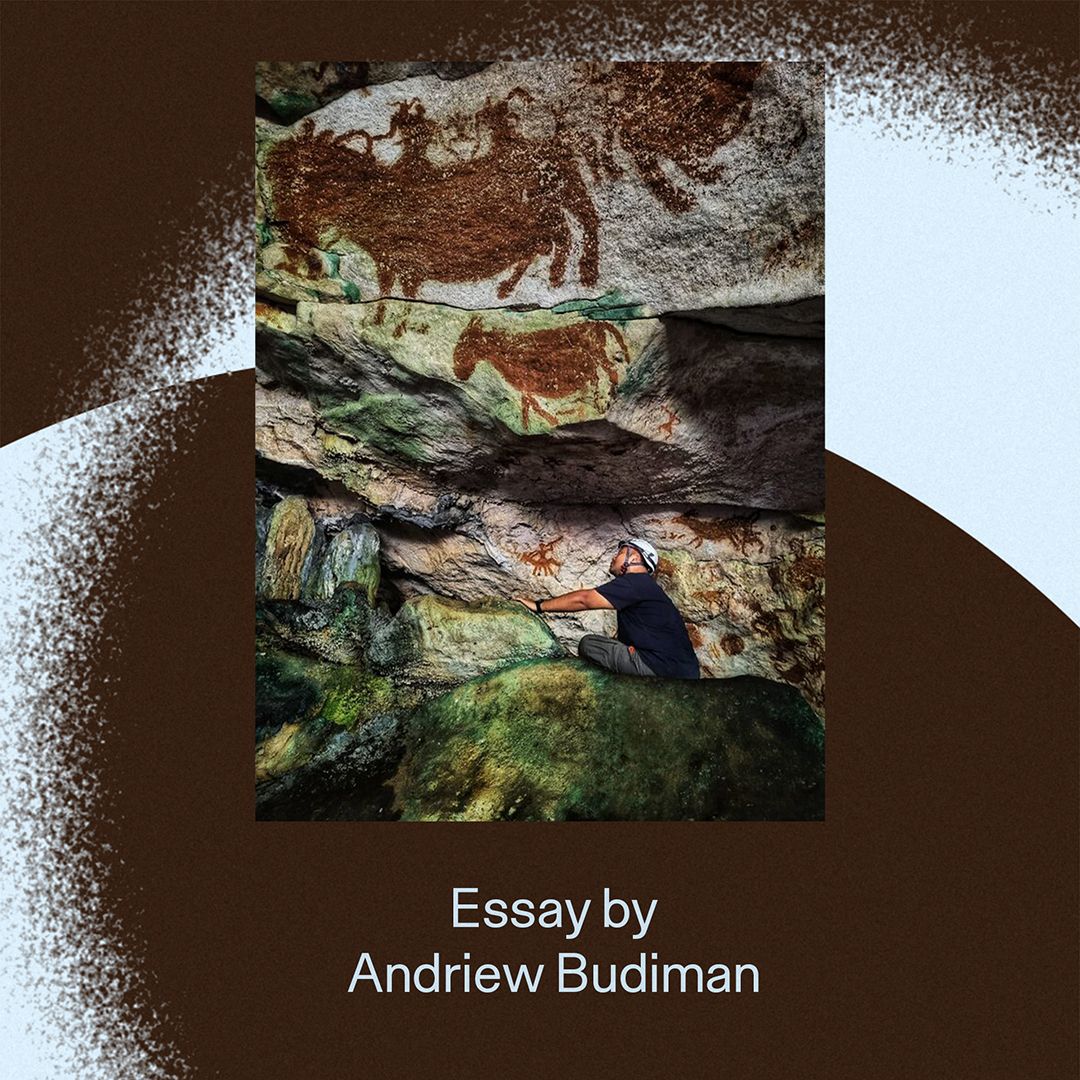
Fluxipelagos: A View Of Design From A Ring Of Fire Nation

Andriew Budiman repositions Southeast Asia as the world's central "Fluxipelago" rather than a peripheral receiver of global discourse. A place where design is not a colonial import but an ancestral skill- a way of orienting within chaos, mediating contradictions, and sustaining interdependence.

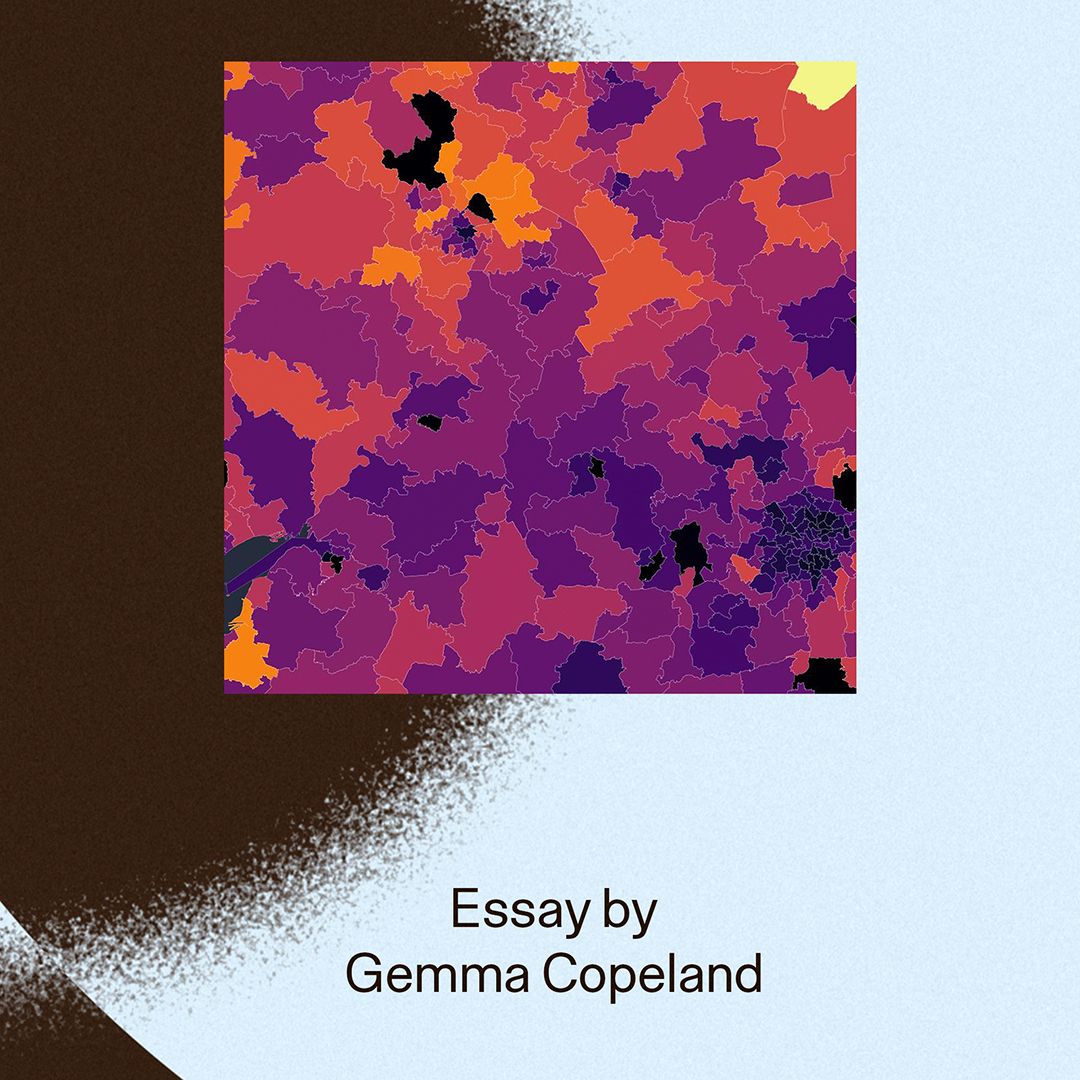
Common Ground: How can designers work from within social movement ecologies?

Gemma Copeland explores how designers can work from within social movements — not as external service providers, but as embedded, relational parts of the wider whole. Drawing on Gemma's experience as a designer and member of Common Knowledge, she reflects on the methodologies they've developed to build power in social movements.

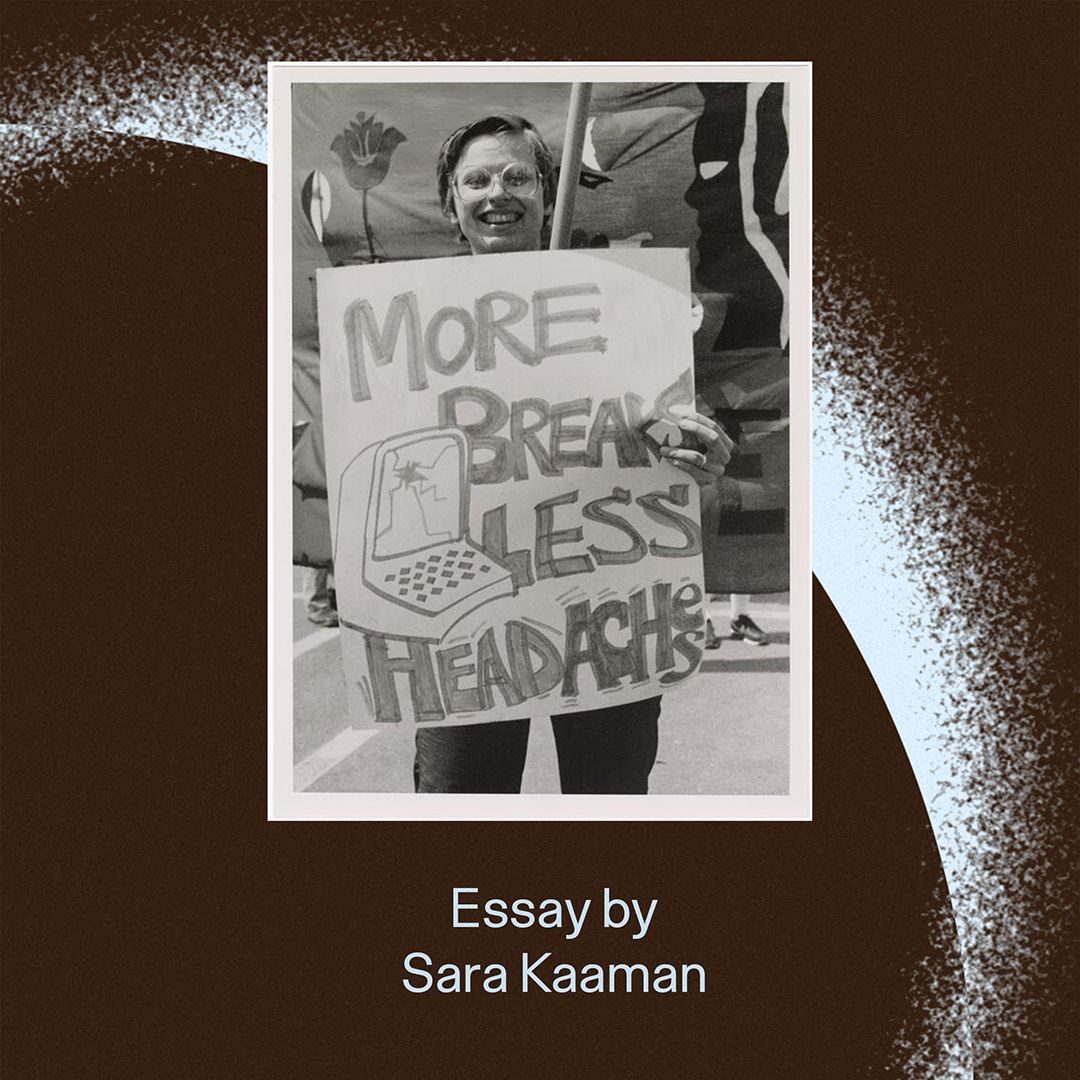
27 bones – on choreographies of labour in graphic design – after Karen Brodine

Sara Kaaman's graphic designer body has been folded around a laptop, performing the same repetitive gestures in micro-movements of fingers and eyes—scrolling, clicking, dragging, sliding. This essay places the graphic designer body at center stage and asks it to tell its story—to speak of its aches, pains, rhythms, and dreams.

Two (or three) Tangles

Prem Krishnamurthy writes us a letter. A letter that exemplifies the tangle, weaving moments from his collaborative practice into a meandering text on slowing down, embracing bumpiness and decentring direct design processes. In doing so, Prem illustrates the importance of social and human attention to the design process.

It’s Oh So Quiet (about Palestine)

In their essay, Noam Youngrak Son listens to the silence of the design industry in response to the ongoing genocide in Gaza, Palestine. Critiquing design’s historical involvement with humanitarian crises in this current global context, Noam dismantles the financialised risks of activism assumed by design institutions, seeking and signposting a higher calling for practices of design that reach beyond simply the accumulation of capital.

When a tree falls in a forest and no one is around to hear it, do I accumulate symbolic capital?

Arja Karhumaa interrogates the relationship between design academics and design practitioners within the realm of publishing; two step-sisterly professionalisms that can struggle to see eye-to-eye in the quest to disseminate ideas. Writing from her perspective as a weaver of many threads of practice, Arja cross-examines the production of knowledge within the design field, embracing and untangling the complexities within her own publishing communities.

Re-shaping and Re-writing: Raeder’s ever-changing practice

After we said adeus to designer Manuel Raeder at the Tangle in Helsinki, we reconnected to learn more about his unique approach to project briefs– and their favourite furniture!

Chiara Di Leone – Power Play

Kicking off the Helsinki Tangle was researcher and writer Chiara Di Leone, whose talk “Power Play” launched us straight into our theme by examining the techno-economic power structures at play in climate forecasting.

Looking Back at Looking Forward

We caught up with Chiara after the Tangle to talk about the intersections between research and creative practice.

Ryan Waller – You can get with this, or you can get with that

Control was a theme that threaded through Ryan’s talk at the Tangle, where he described that exercising control is often the foundation of power, and how having a certain degree of control over your creative practice can help with forging your own direction.

Laura Pappa – What’s work?

As a graphic designer and typographer fascinated with the urban landscape, Laura Pappa’s work operates at the intersection of place and image. In her talk in Helsinki, Pappa explored her mechanisms of staying engaged in creative practice over time.

Manuel Raeder — BOM DIA BOA TARDE BOA NOITE

Studio Manuel Raeder is an interdisciplinary design studio exploring the boundaries between exhibitions, ephemera, books, type design, editing, publishing, textile and furniture design. Manuel is joining us from Berlin to expand on the studios’ deep involvement in editorial and spatial narratives, as well as its interest in the meaning of books within space, the archive and the future of libraries.

From Tallinn to The Tangle

Just after the tangle, we posed graphic designer Laura Pappa some questions on what places, and people and practices help keep her work at the cutting edge.

Noura Tafeche — On the threshold of UwU horror

Noura Tafeche is an Italian-Palestinian visual artist and independent researcher. Through a lecture performance at the Tangle, she introduced her research project “Kawayoku Inception” on the visual representation of violence in internet subcultures. We learned about the meaning of images and together questioned the way we learn from online visual culture.

POWER

Being uniquely positioned as those who have a hand in producing our environment; responsibility can be placed upon designers and the power they hold in changing the world for the future. However; power is an elusive and plastic substance that clings to some and slips away from others.

Learning To LARP: The Participatory Practice Of Trojan Horse

Following their closing talk of Chapter 3, we reconnected with Tommi Vasko and the Trojan Horse team to reflect on how the collective structures itself and their live-action role-play events.

Heroes and Villains: Performance Art And Social Stigma

After we’d cooled off from her Total Body Workout in Copenhagen, we chatted with designer Kexin Hao on her upcoming work, and how she embodies different characters through performance.

Inspiration and Inheritance: Bijan Berahimi On Growing Up Alongside Your Practice

Graphic designer Bijan Berahimi gave a talk at Chapter 3 in Copenhagen, and we caught up with them afterwards to ask about the inspiration behind their ever-evolving practice.

FISK – Our Oval World

Iranian-American designer Bijan Berahimi is the founder of the creative multispace FISK: a studio, gallery and store located in Portland, Oregon. Since 2009, when FISK began as a graphic design collective while Bijan was studying at California Institute of the Arts, it has become an ongoing project based around culture, community and commerce through the lens of art and design.

Oaza Kolektiv: Designing with/for friends and neighbors

Visual communication designer Maša Poljanec joined us in Copenhagen, representing the design and publishing collective Oaza from Zagreb. Since 2013 the six founders of Oaza have been engaged in a collective practice spanning design, research, curation, publishing and more.

An Ecological View On Digital Communities

Shortly after gathering together in Copenhagen, we invited Anny and Tim from Wang & Söderström for a conversation on finding their place in both physical and digital spaces.

OAZA Kolektiv On Collaboration and Compromise

Speaking on behalf of her 5 other collaborators; Maša Polijanec expands on how OAZA Kolectiv delves into the past by rewriting design history, and reaches into the future with their children’s literature publishing house ‘OAZA & Sons’.

Wang & Söderström: Together in an ecology of technology

From the point of view of their hybrid practice which spans the physical and the digital, Copenhagen-based studio Wang & Söderström reflected upon how the world is changing through technology in their talk at the Tangle.

Studio Safar: Design is Inherently Political

Graphic designer Maya Moumne joined us at the tangle representing Studio Safar – a design and art direction studio based in both Beirut and Montreal. Across seven time zones, Safar (meaning “travel” in Arabic) creates cross-cultural and interlingual visual communication.

On the Complexity Of Community

The physiological human beings we are today are a direct result of forces and environments that were often outside of our ancestors’ control; the climate, diseases, nearby predators and prey, the local flora or geographical landscape in which they built their homes. The sociological beings we are today are a direct result of the process of learning to control such forces.

No Word is an Island: Naming a Tangle

Cinnamon buns, connotations and opossum babies are utilised in this essay about language communities in general and the title of this festival in particular.

Chimera Gastronomy — with Noam Youngrak Son

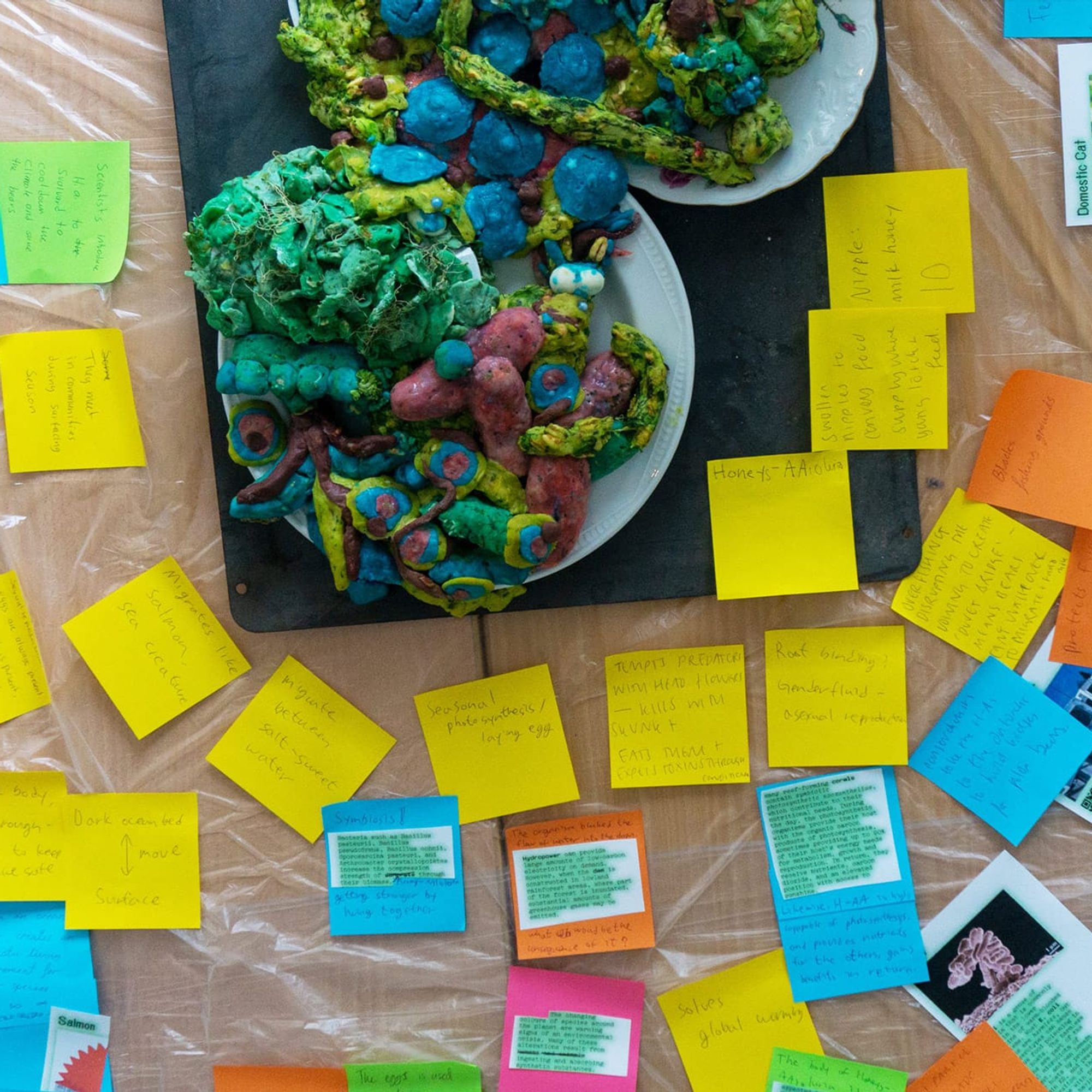
Behind an unsuspecting door on a rainy street in Oslo, a small group of people came together across two days to reimagine what bodies could be. The workshop “Chimera Gastronomy”, led by Noam Youngrak Son, offered a sticky, existensialist investigation into (co)existence via edible mediums.

Excavating a collaborative practice discovering the individual within the collective

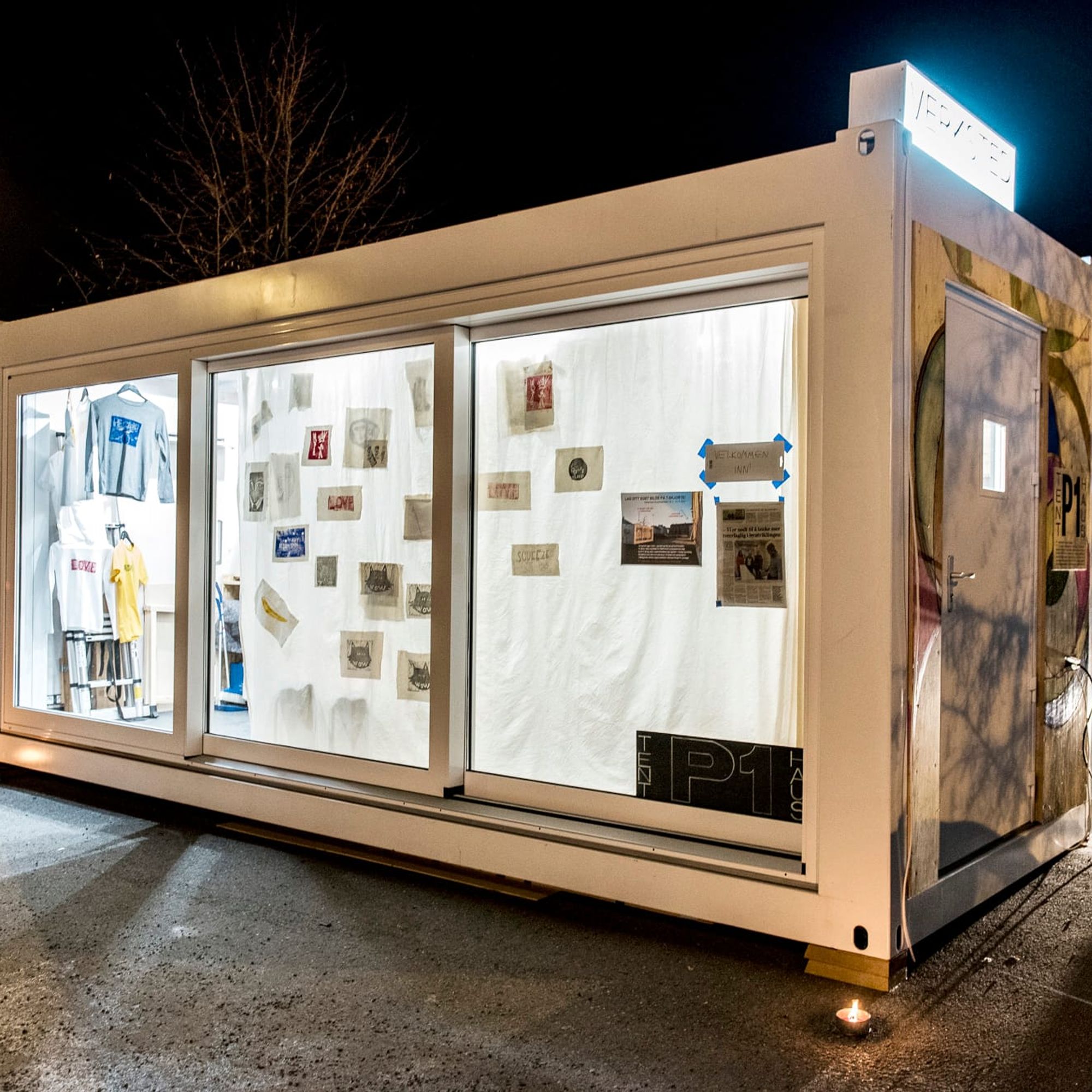
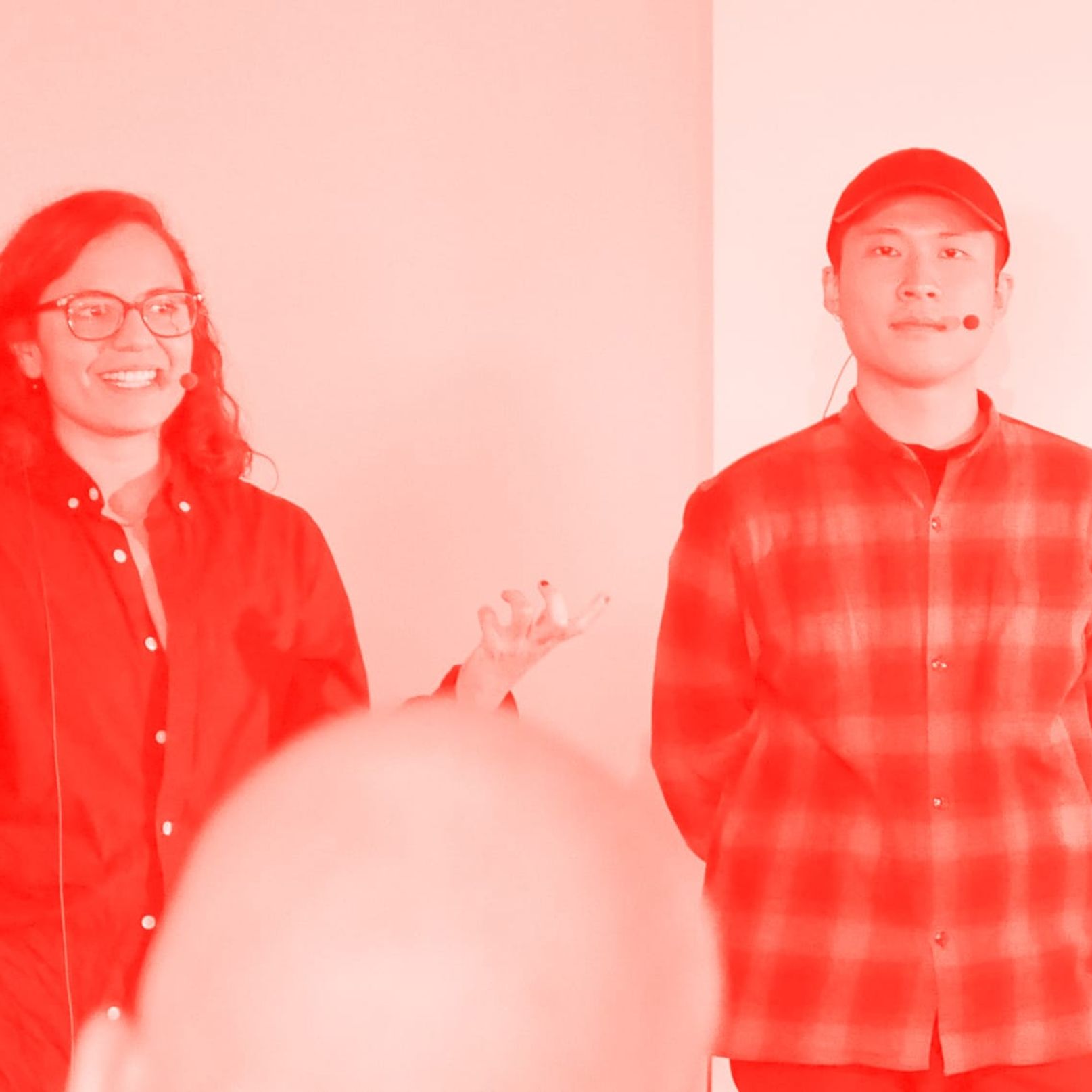
The artist collective Tenthaus, represented by artist Jacky Jaan-Yuan Kuo and artistic researcher Valentina Martinez, gave a talk at the second chapter of the Post Design Tangle, which took place in Oslo in September 2022. Afterwards we checked in with Jacky and Valentina to learn more about their thoughts on collectivity, collaboration and how to know whether what you are doing is working.

Nature and Nurture: Caring For The Self

After giving the closing talk at the second chapter of the Post Design Tangle in Oslo in September 2022, we checked back in with Sophie Douala to hear more about her reflective approach to her practice and how (and if) she separates herself from her work.

Contemplating a non-anthropocentric ecosystem

Noam Youngrak Son was the first speaker to take the stage at the second chapter of the Post Design Tangle, which took place in Oslo in September 2022. After getting home, we checked back in with Noam to chat about chimera creatures, adaptability and crab meat.

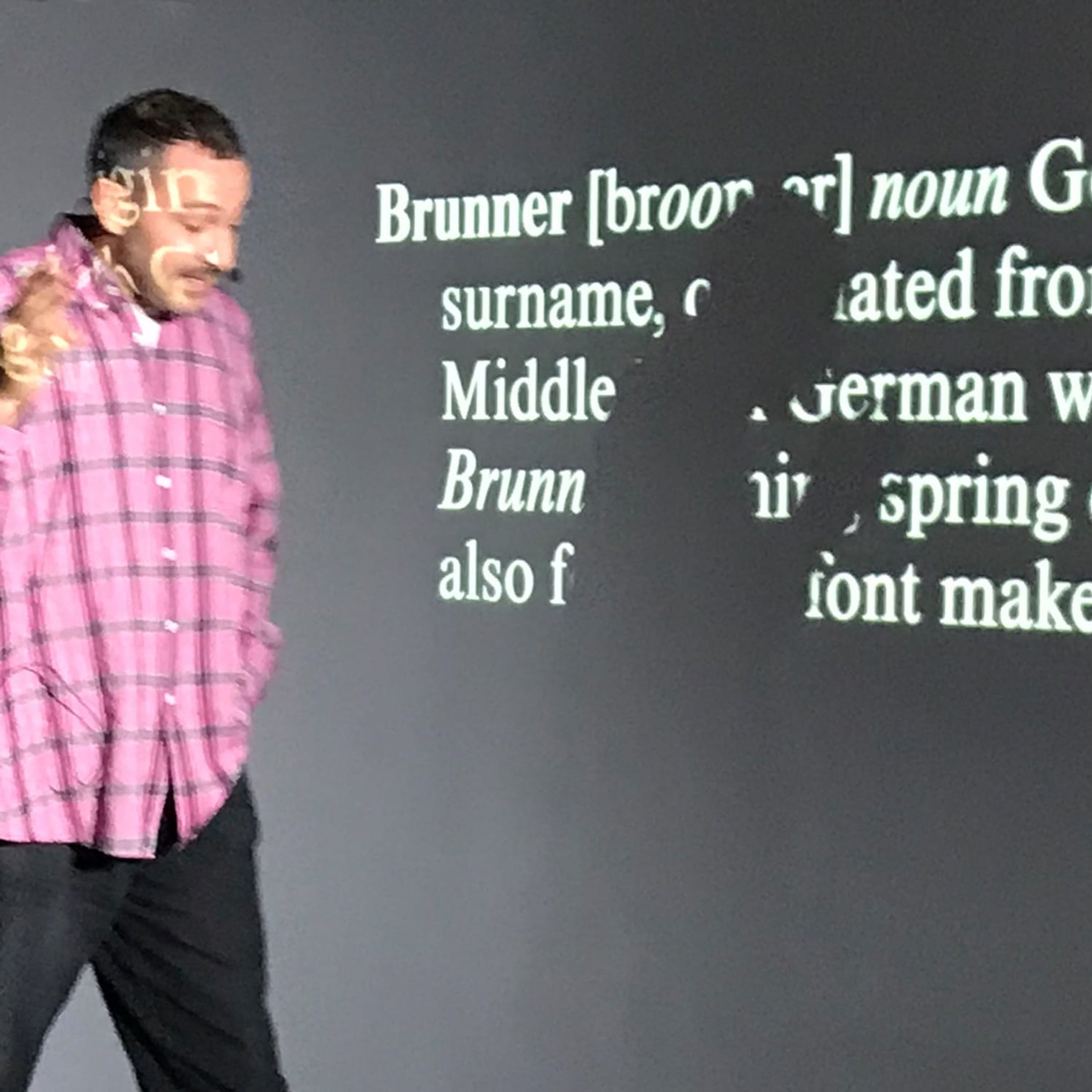
Spring, Fountain, Font — Meandering alongside Laurenz Brunner

In order to understand the self, you need to know what to call it. From the Tangle in Oslo, Laurenz Brunner takes us on an onomastic journey.

Discriminating Machines and Design Justice — Learning from Nushin Yazdani

Berlin based transformation designer, artist and AI design researcher Nushin Yazdani works at the intersection of machine learning, design justice and intersectional feminist practices, and writes about the systems of oppression of the present and the possibilities of just and free futures. These are takeaways and resources from her talk at the Tangle.

Sophie Douala: Time / Space / Distance

Sophie is a Berlin based, France raised, Cameroon born artist and creative director specialised in storytelling and creative campaigns. In her practice and life, she seeks to explore the interplay between a formal visual language and its cognitive and emotional affect. Sophie’s aesthetics are both very personal and immediately inviting to the audience, mixing the painful with the colorful, and politics with beauty. In her lecture we learn more about how and why Sophie Douala inserts herself in her complex and immersive work.

Tenthaus: Individual needs in the collective organism

Artist Jacky Jaan-Yuan Kuo and artistic researcher Valentina Martinez joined us at the tangle to represent the Oslo based art collective Tenthaus. Itself a tangle of artistic outputs, Tenthaus currently encompasses both a project room and an exhibition space, a mobile studio, and a wide range of curatorial projects. They focus on local contexts exploring collectivity and inclusion through different forms of engagement.

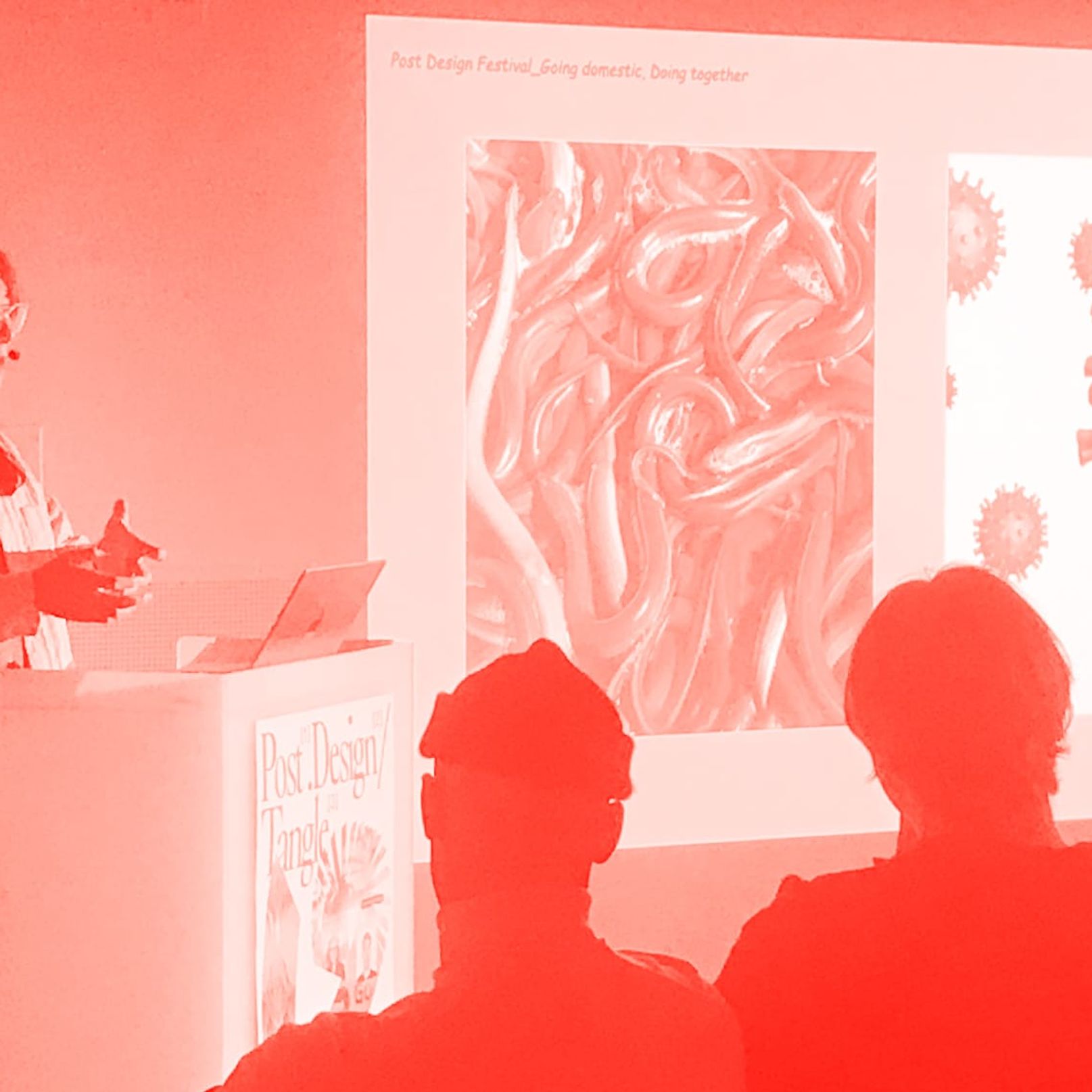
Noam Youngrak Son: Going domestic, doing together

Noam often physically inserts themselves in their work in a simultaneously personal and performative manner. Based in Ghent, praciticing communication design and deviant, queer publishing, they attempt to convey the stories of marginalized bodies which often include that of themselves into designed forms that do not conform to the cis-hetero-normative and colonial power structure.

Narcissus, Neoliberalism and Interconnectedness – a dive into the entangled Self

A dive into the cultural, social, political and ecological ‘self’, questioning the notion of the ‘individual’ and a call towards connected ways of being.

Entangled Practice

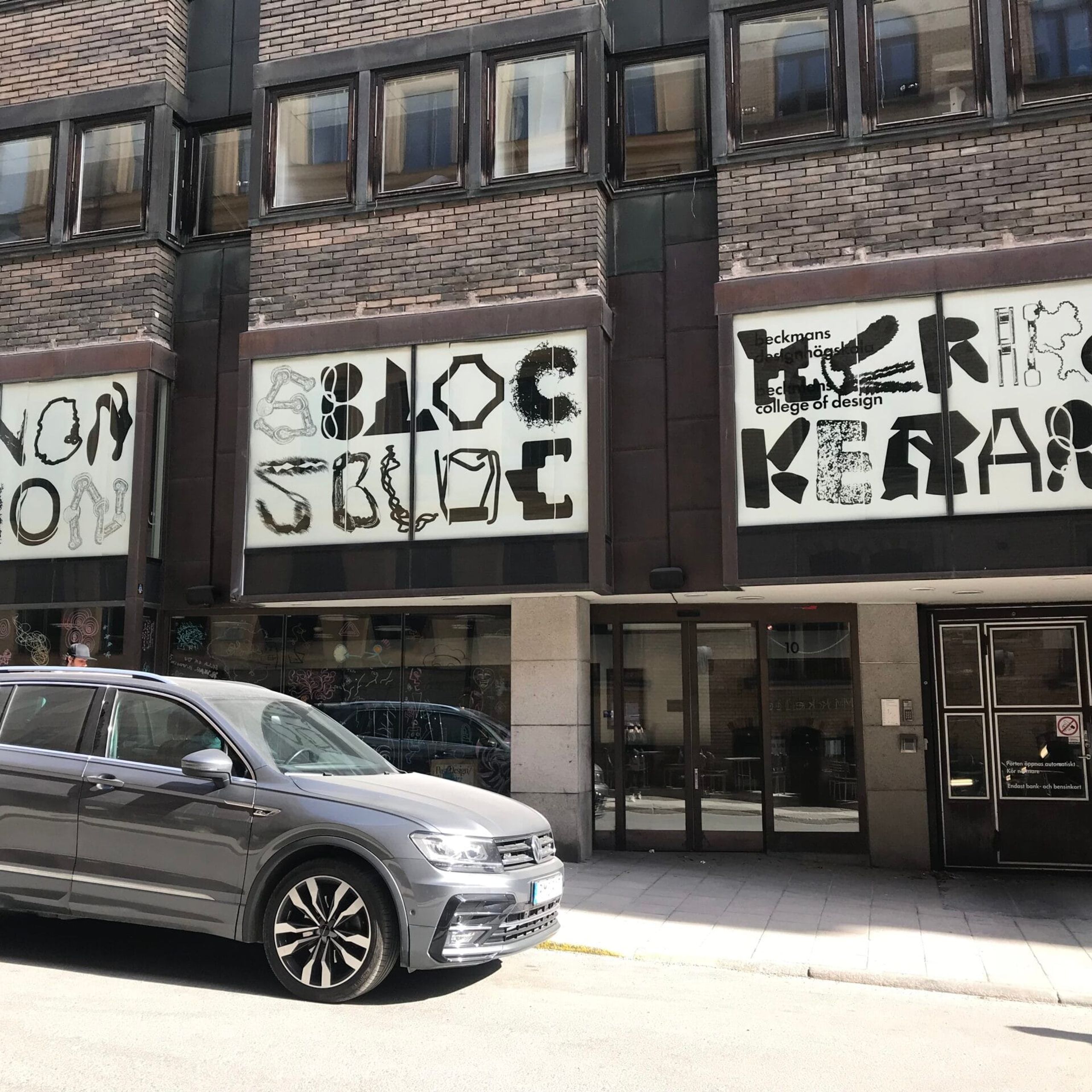
In the narrow Brahegatan in central Stockholm giant letters spelling “ANNONSBLOCKERARE”, filling out the street like a highway billboard trying to sell us something we probably don’t need. But what is the message this time?

Matilda Tjäder: Designing Fictional Worlds

Matilda Tjäder is a Swedish visual and performance artist, whose multidisciplinary practice builds imaginary worlds through sound, performance, and moving image. Matilda Tjäder gave a talk on March 26th 2022, for the Symposium day of the Post Design Tangle.

Yehwan Song: Unfriendly User-friendliness

Yehwan Song is a coder and designer based in Seoul, South Korea, who comes to digital technology with a sharp, critical eye. Yehwan Song gave a talk on March 26th 2022, for the Symposium day of the Post Design Tangle.

Nejc Prah: Hotel Birokrat

Nejc Praj is a graphic designer based in Ljubljana, Slovenia, whose tangly, maximalist visual tactics take viewers to surreal places. Nejc Prah gave a talk on March 25th 2022, the opening night of the Post Design Tangle.

Elias Hanzer: The head of the Ox

Elias Hanzer is a type designer based in Berlin, Germany, where he co-runs Hanzer Liccini, a studio for graphic design and typography. Elias Hanzer gave a talk on March 26th 2022, for the Symposium day of the Post Design Tangle.

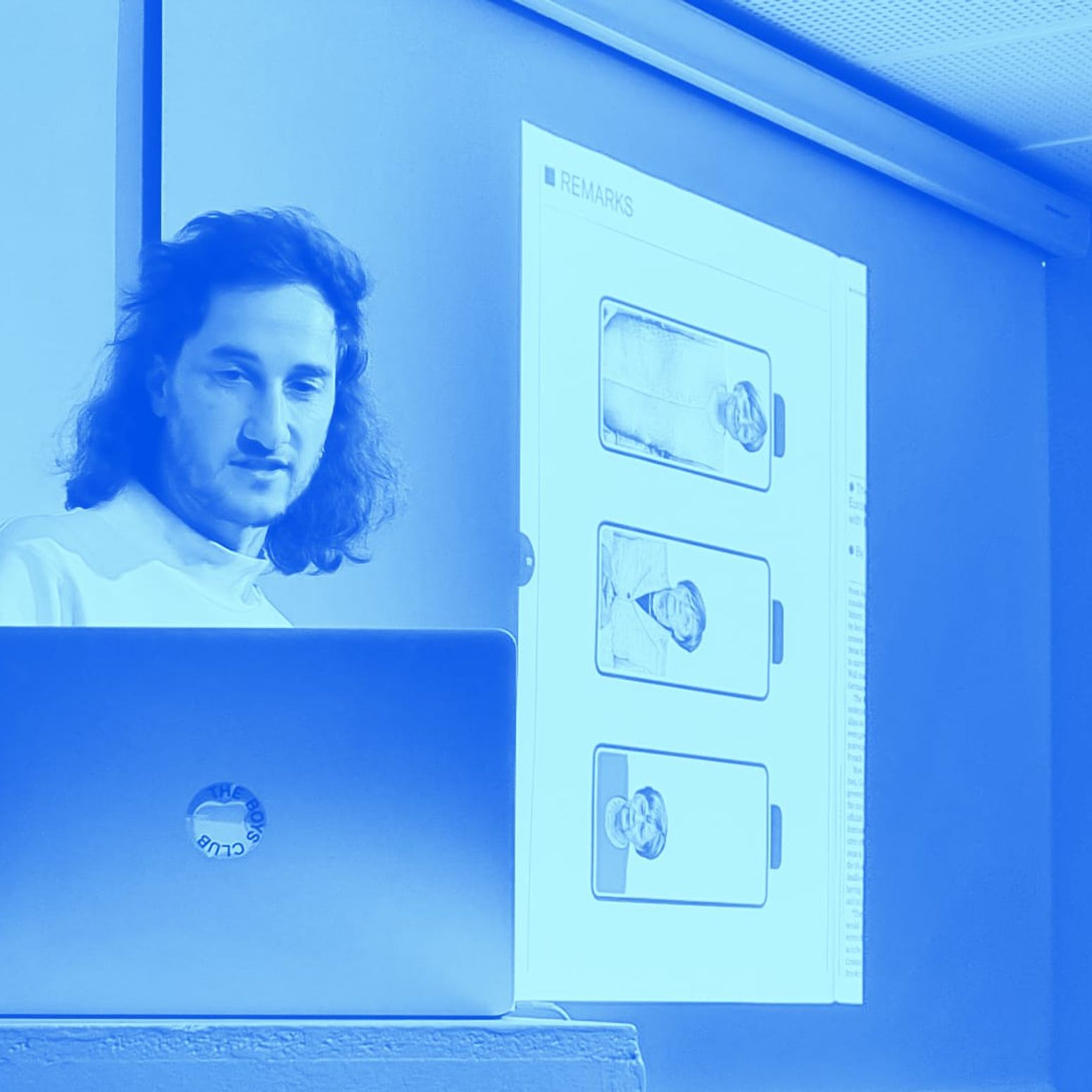
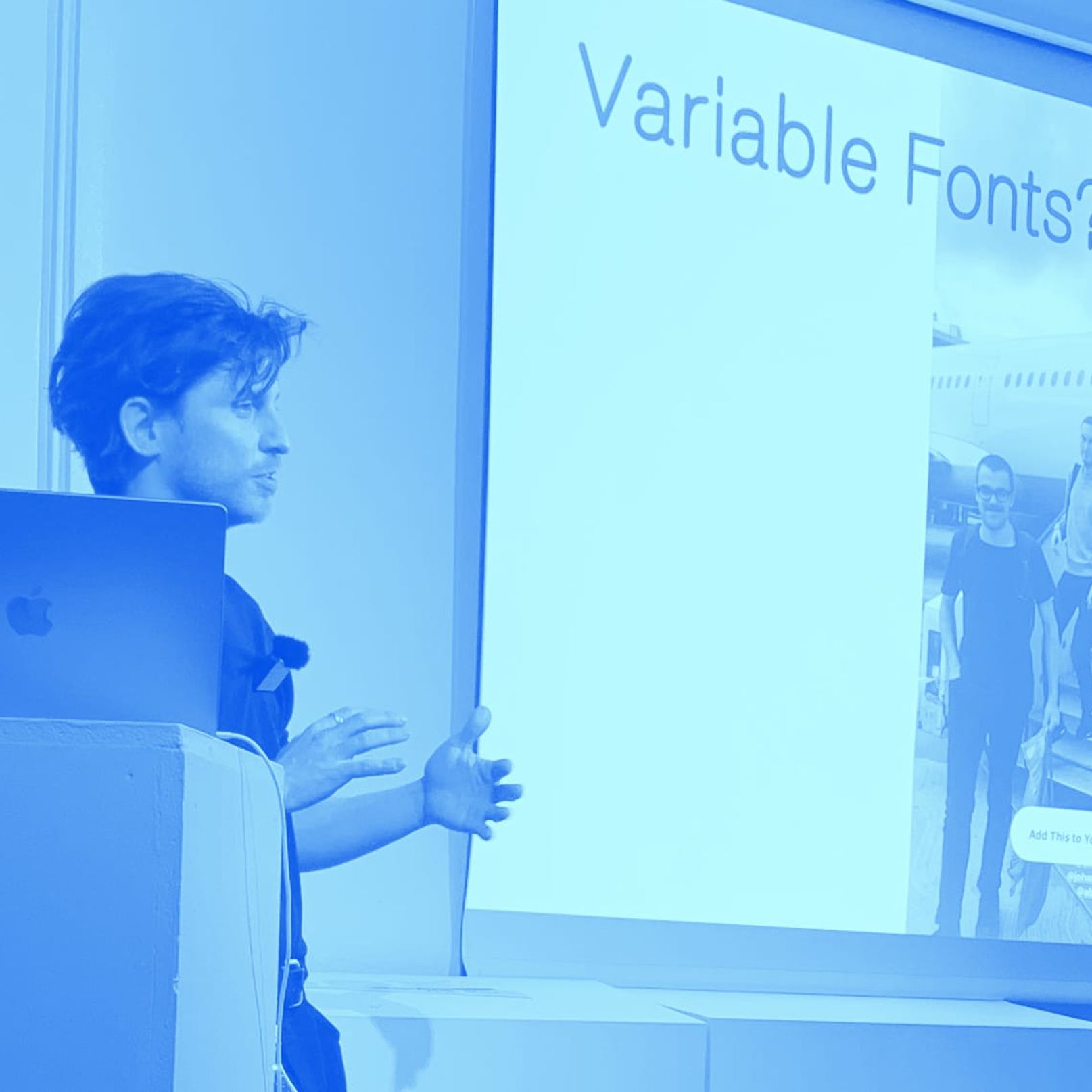
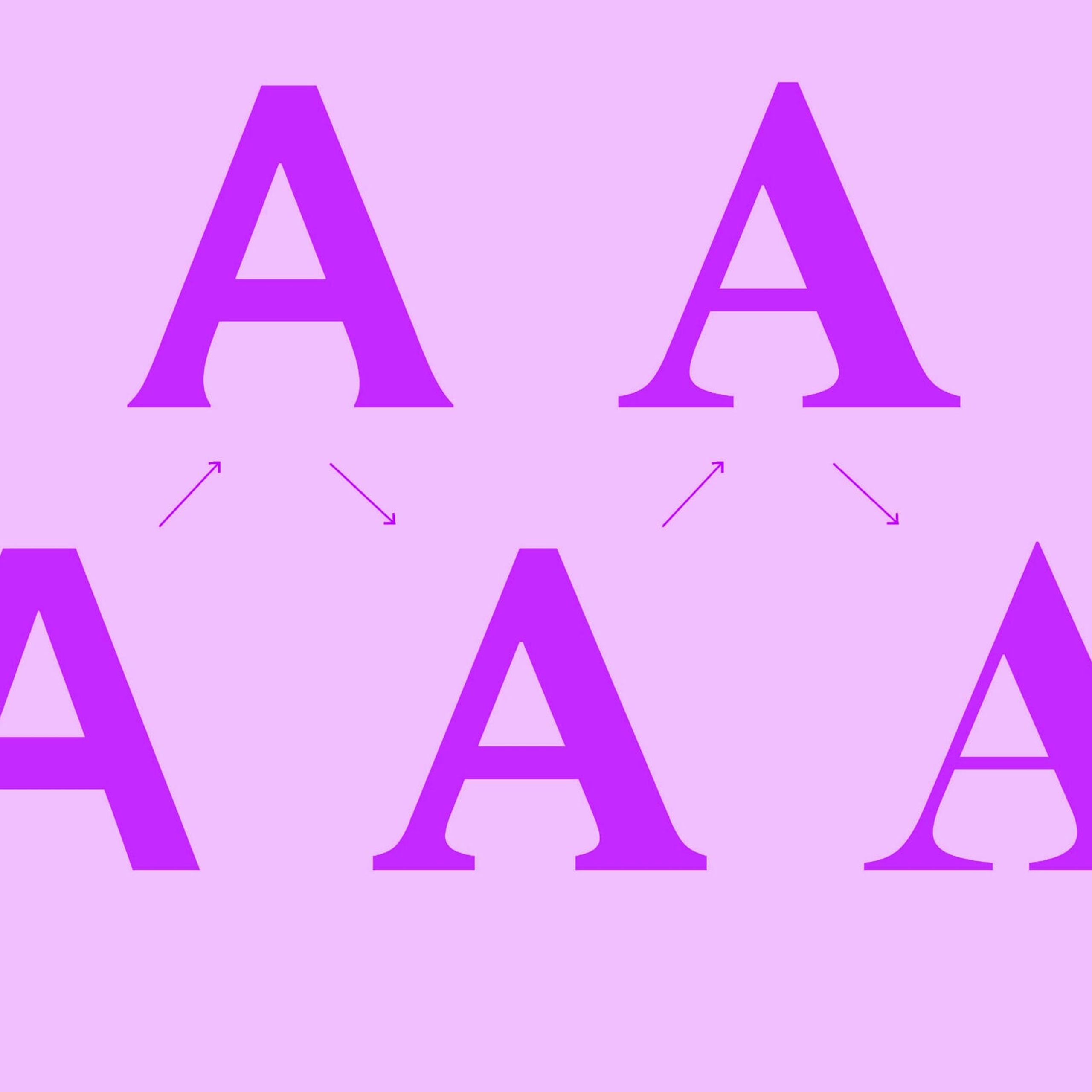
On type’s right to be legible or illegible, disciplined or quick

After the talk Elias Hanzer gave at the first chapter of the Post Design Tangle in Stockholm in March 2022, we checked in with him for a chat about his practice, design approach and what and who inspires him.

What’s in Your Pocket?

Whatever you find in your pocket, lay it out in front of you. And now, use whatever you have to build a typeface — The two-day workshop with Nejc Prah revealed how the practice of type design itself—so often perceived as laborious and rule-driven—can actually be something spontaneous, fast, and playful.

Post.Design

AboutPast PostGet in touchNewsletter
IG FB

What is Post?

POST challenges the place of visual culture and communication in society while addressing the ethics of design, the politics of image-making, and the unknowns of our creative futures.

Through non-profit, openly critical and collaborative events, POST offers a unique opportunity to explore, question, and re-imagine the purpose of the graphic professions. Since its conception in 2016, POST has evolved from a local, annual event to an amorphous format with a distinctly transnational shape and scope.
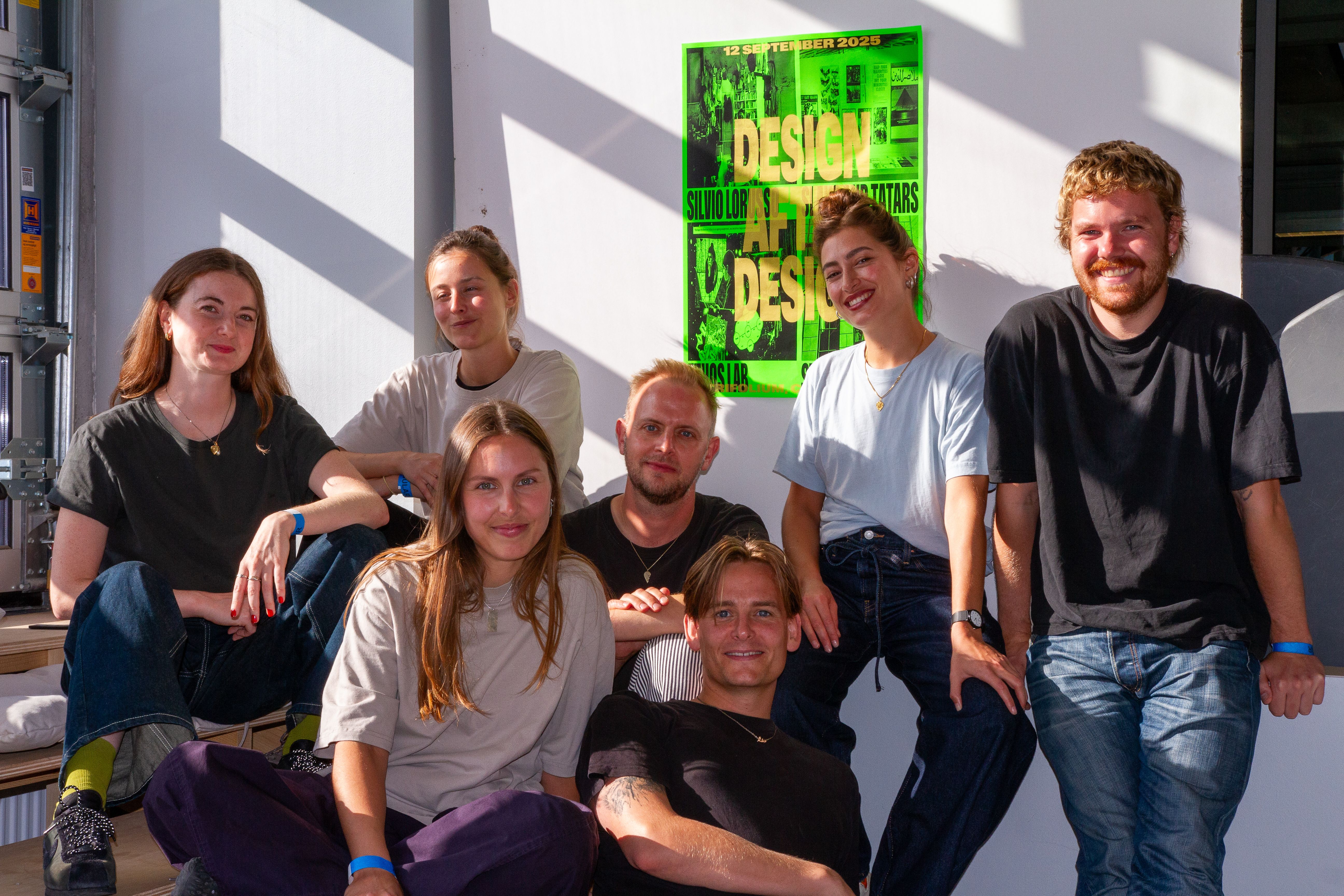
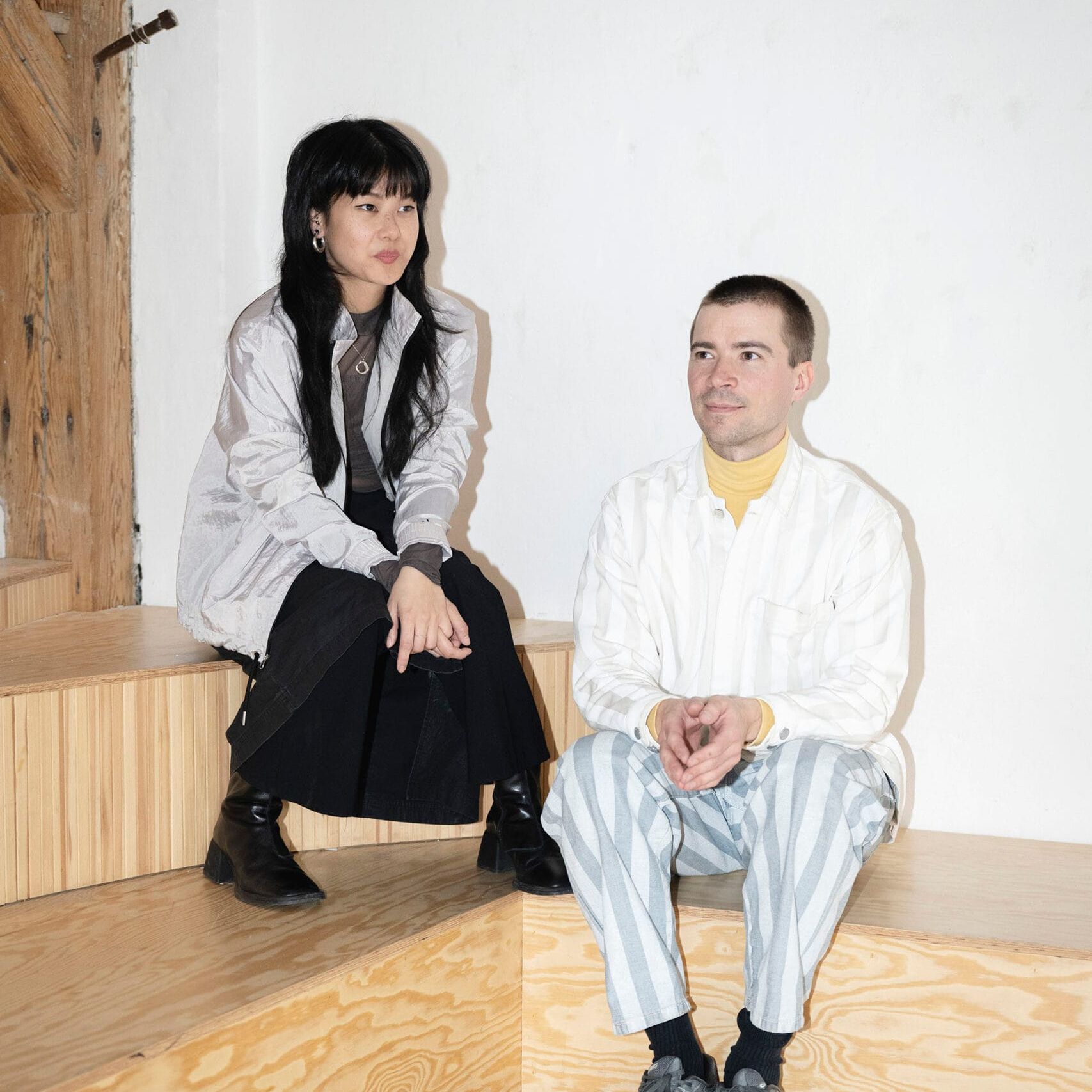
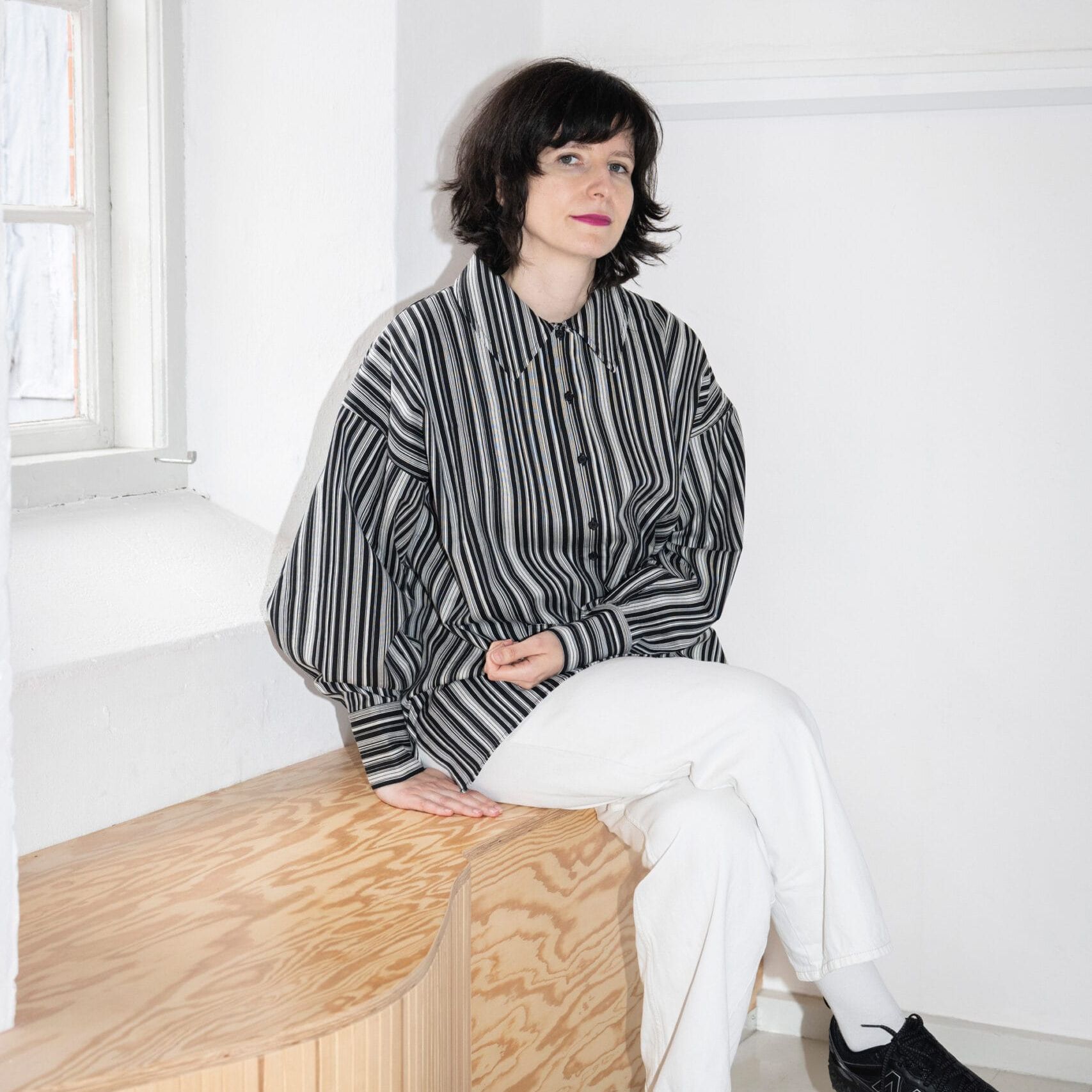
The 2025 crew. From the left: Bethany, Alba, Kaiu, Peter, Filip, Georgina and Lucas

Who is Post?

Bethany Rigby

Bethany is a writer and educator who has been working with POST since 2021. She is also lecturer for the School of Design at Goldsmiths University of London.

Kaiu Meiner

Kaiu is a strategic designer specializing in visual storytelling, exhibition design, and
digital-first branding. With a background in graphic communication, curatorial practice, and interactive media, she develops compelling narratives that merge design with spatial and artistic experiences. Kaiu thrives in interdisciplinary collaborations where design meets art, technology, and culture. Expert in visual identity, exhibition graphics, and interactive installations, she translates complex ideas into engaging visual and spatial formats.

Georgina Norris

Georgina is a Foresight Designer & Strategist with degrees from University of Brighton, UK and Design School Kolding. In her work, Georgina blends strategy with creative thinking, sustainable design, and art direction to shape resilient futures. She is passionate about transforming insights into tangible design solutions and storytelling

Peter Folkmar

In 2016, Peter co-founded POST and has been an organiser of the festival ever since. He holds a MA in Architecture from the Royal Academy, Copenhagen and runs a studio for visual design and organising.
News

Publishing Open Call!

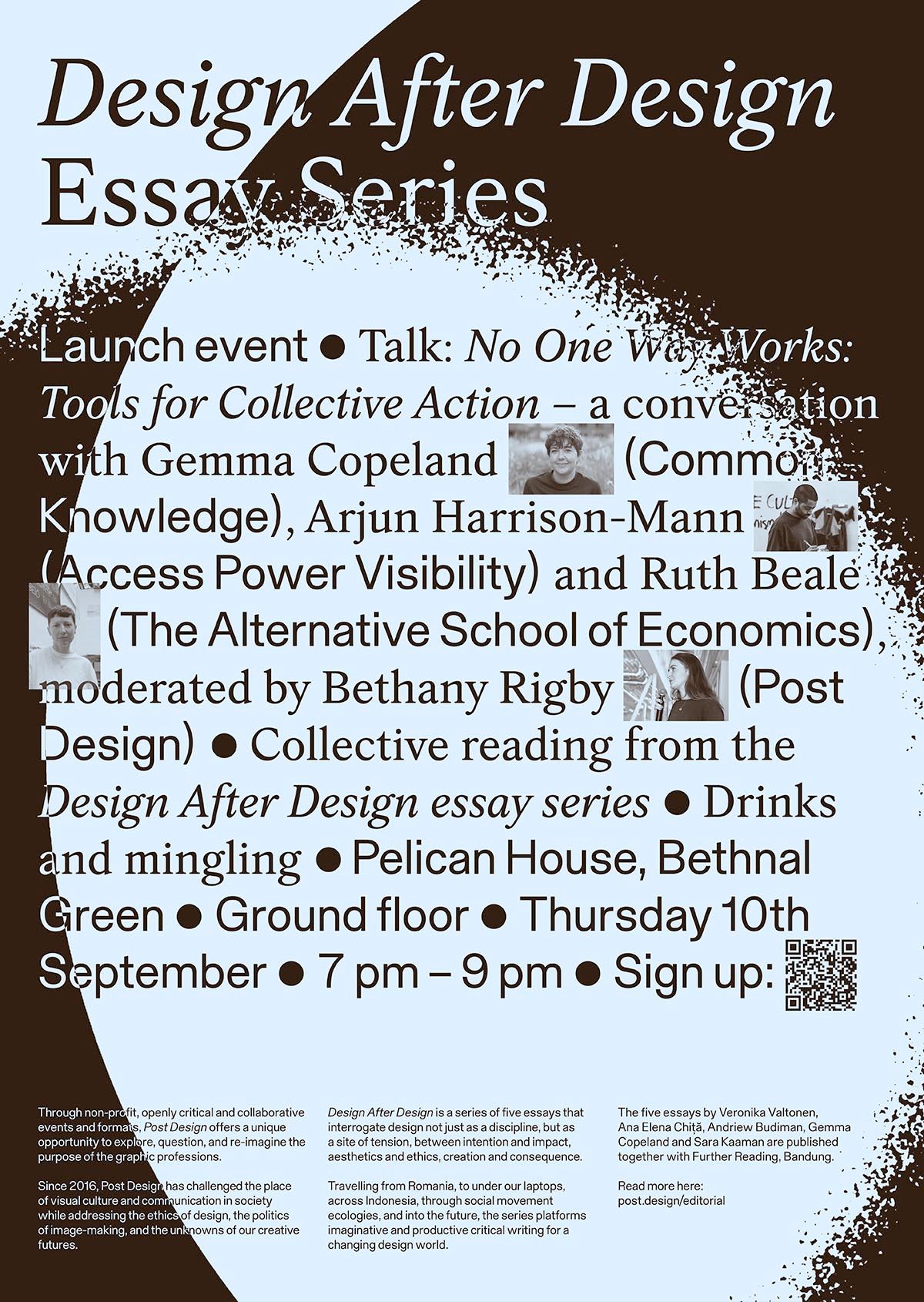
For the first time: we’re running an open call! We’re seeking contributions that explore design not just as a discipline, but as a site of tension: between intention and impact, aesthetics and ethics, creation and consequence. As part of DESIGN AFTER DESIGN we invite you to question, critique, and reimagine the design lifecycle: from BEFORE (the research, histories, and conditions that shape how things begin), through DURING (the processes, power dynamics, and decisions embedded in making), to AFTER (the systems, consequences, and lived realities that unfold long after launch). Find more information and apply here

Design After Design lands at Trifolium

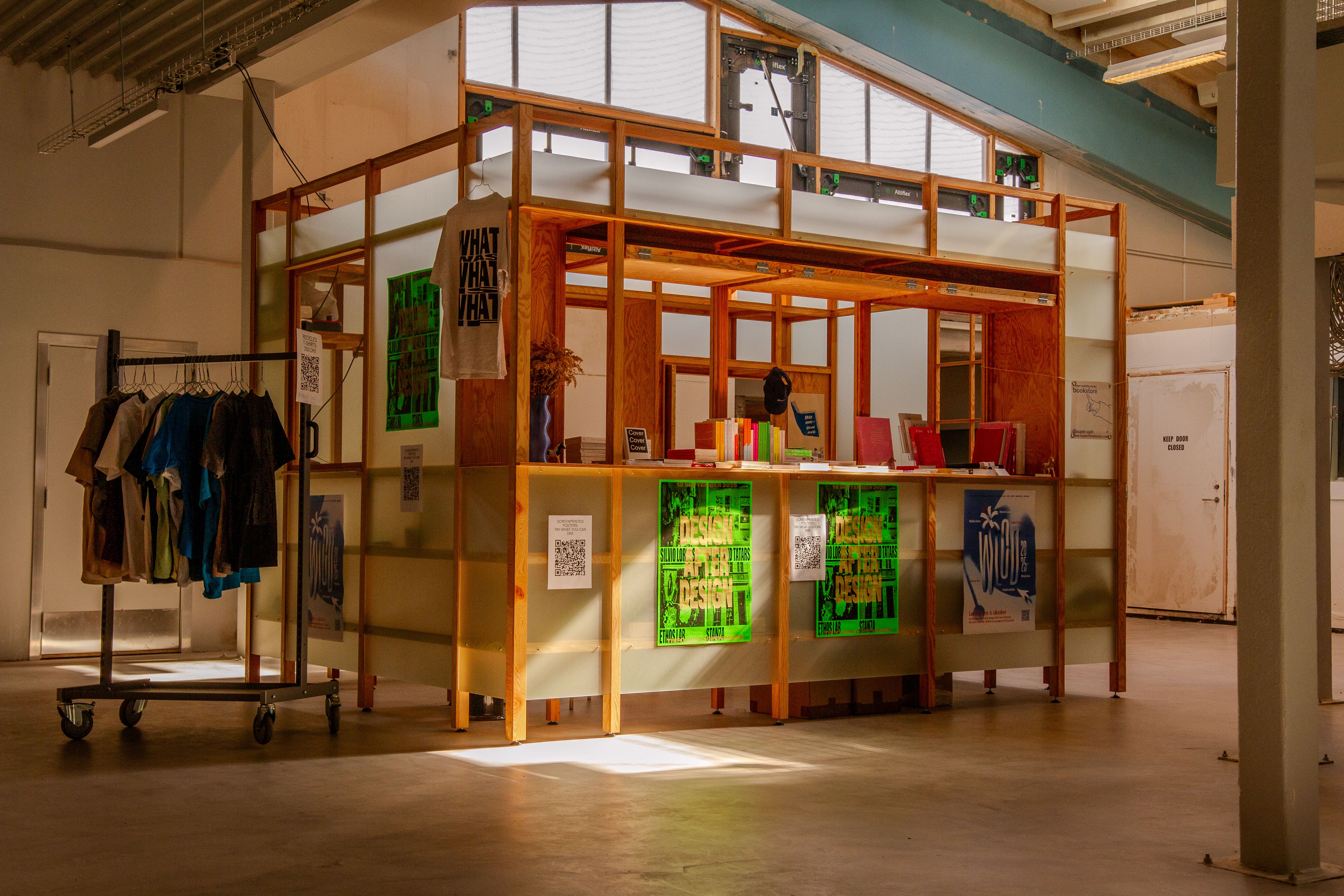
On 12th September 2025 Post landed in Trifolium, Copenhagen for a day packed full of talks, workshops and critical discussion. We’re thrilled to welcome Silvio Lorusso, Marisa Cohn (ETHOS Lab), Stan de Natris (Slavs and Tatars) and Freja Kir + Marie Højlund (stanza) to the roster of Post speakers. SUPeR (the best bookstore in Copenhagen) hosted a pop-up bookstall too.

New Post'ers!

First of all, we want to introduce you to the new Post Design team: Please give a warm welcome to Alba, Georgina and Kaiu! These three wonderful people have joined the organising team which means that together with Bethany and Peter, Post is now super charged for new activities.

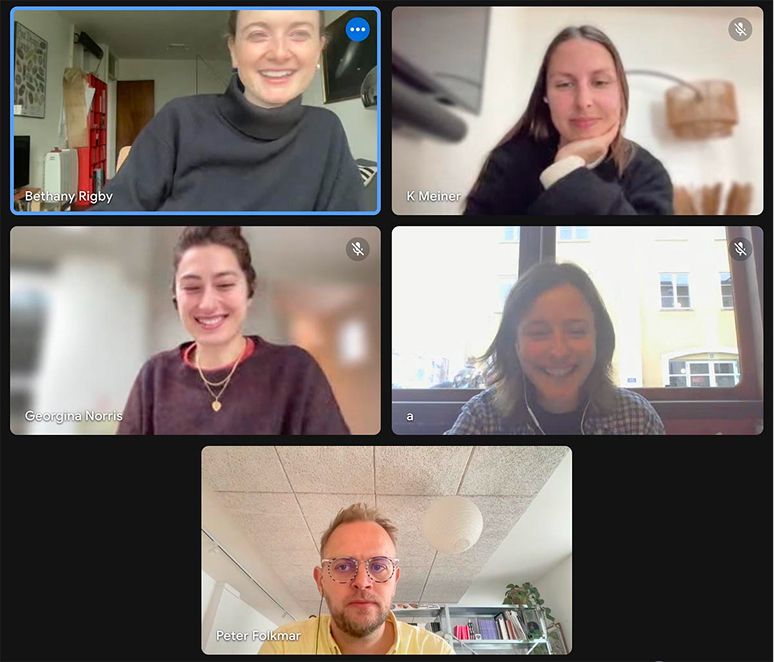
Screenshot of our online meeting

And speaking of—here’s a snap of us in the midst of making a decision about *something big* that we will be sharing more about shortly. For now, let’s just say that come September “the gum you like is going to come back in style”.

Besides that bubbly, soon-to-be-tangible news, we are also working on our website and our editorial platform. Also more on this very soon.

Old website on new URLs!

As we stand on the precipice of these new horizons—in the meantime you really should entangle yourself in all the material amassed during our past projects, the Post Design Tangle, previous Post Design Festival content from 2016, 2017 and 2019.

Hugs and kisses to Past Post member and digital designer, Peter Urban, who brought the past three Post Design Festival websites back online.

Get organised!

2025 is the ninth(!) year of Post, which was started out of a need for a space to hold difficult conversations about visual communication and to bring inspiration to an often self-sufficient local design scene. This and other aspects of running a design festival, Peter Folkmar was invited to talk about at Questioning Creatives’ event on “Creative Activism” back in December.

The fact that new initiatives like Questioning Creatives now exist in Copenhagen tells us there is an appetite and a need for places that rebel against the status quo, that are self organised and, alas, too often underfunded. Such spaces are what we at Post (and other public forums for critical design discourse in Copenhagen) are trying to hold. So, keep your ears to the ground, support your local grassroots and get organised!