Sara Kaaman (b. 1983, based in Stockholm, Sweden) works with designing, teaching, performance and various forms of publishing. In her practice and research, somatic inquiry serves as the starting point for investigating (and subverting) the ways in which technologies affect design labour and imagination. In her performance work, she makes meaning move through word play, movement research, printmaking and voice.
She is currently active in the collective constellations MMS (a design research group) and Girls Like Us (a queer feminist magazine). With MMS she published the book Natural Enemies of Books – A Messy History of Women in Printing and Typography in 2020. She co-organizes the miniature culture house Munnen (The Mouth) in Stockholm, Sweden and teaches graphic design at Konstfack in Stockholm, and at the the Estonian Academy of Art in Tallinn.
Sara Kaaman holds a BA in graphic design from the Gerrit Rietveld Academie in Amsterdam, and an MFA in Choreography (New Performative Practices) from Stockholm University of the Arts.
27 bones – on choreographies of labour in graphic design – after Karen Brodine
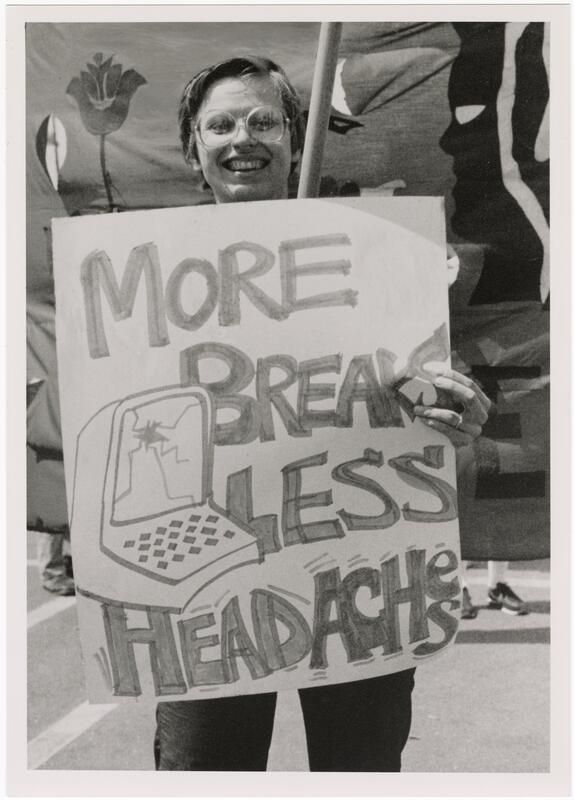
If I wasn’t sitting at my computer right now, I would be in San Francisco in 1981 walking with Karen Brodine in the Lesbian & Gay Freedom Day Parade, helping carry her sign which reads: “More breaks, less headaches” alongside a drawing of a smashed and broken computer screen.
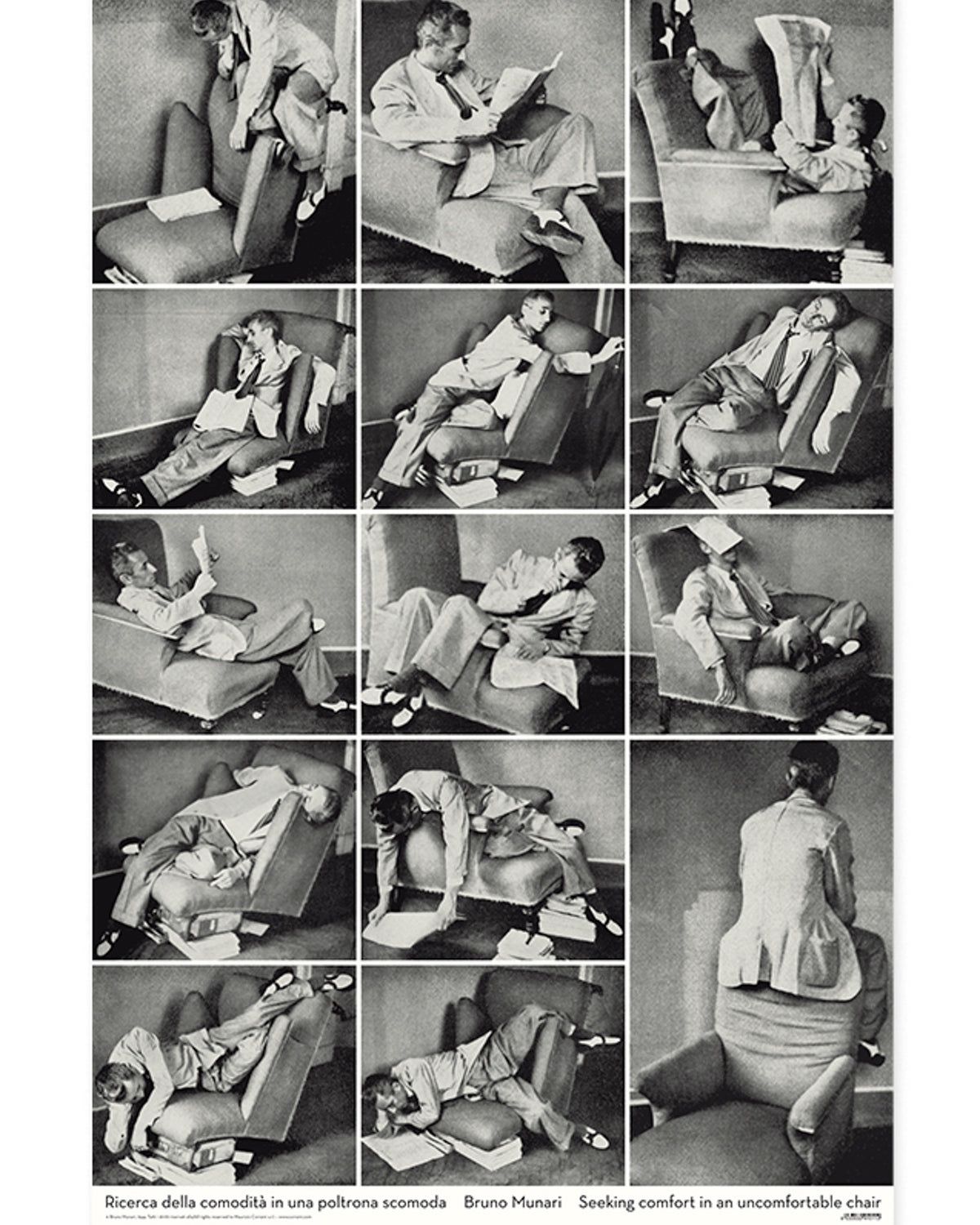
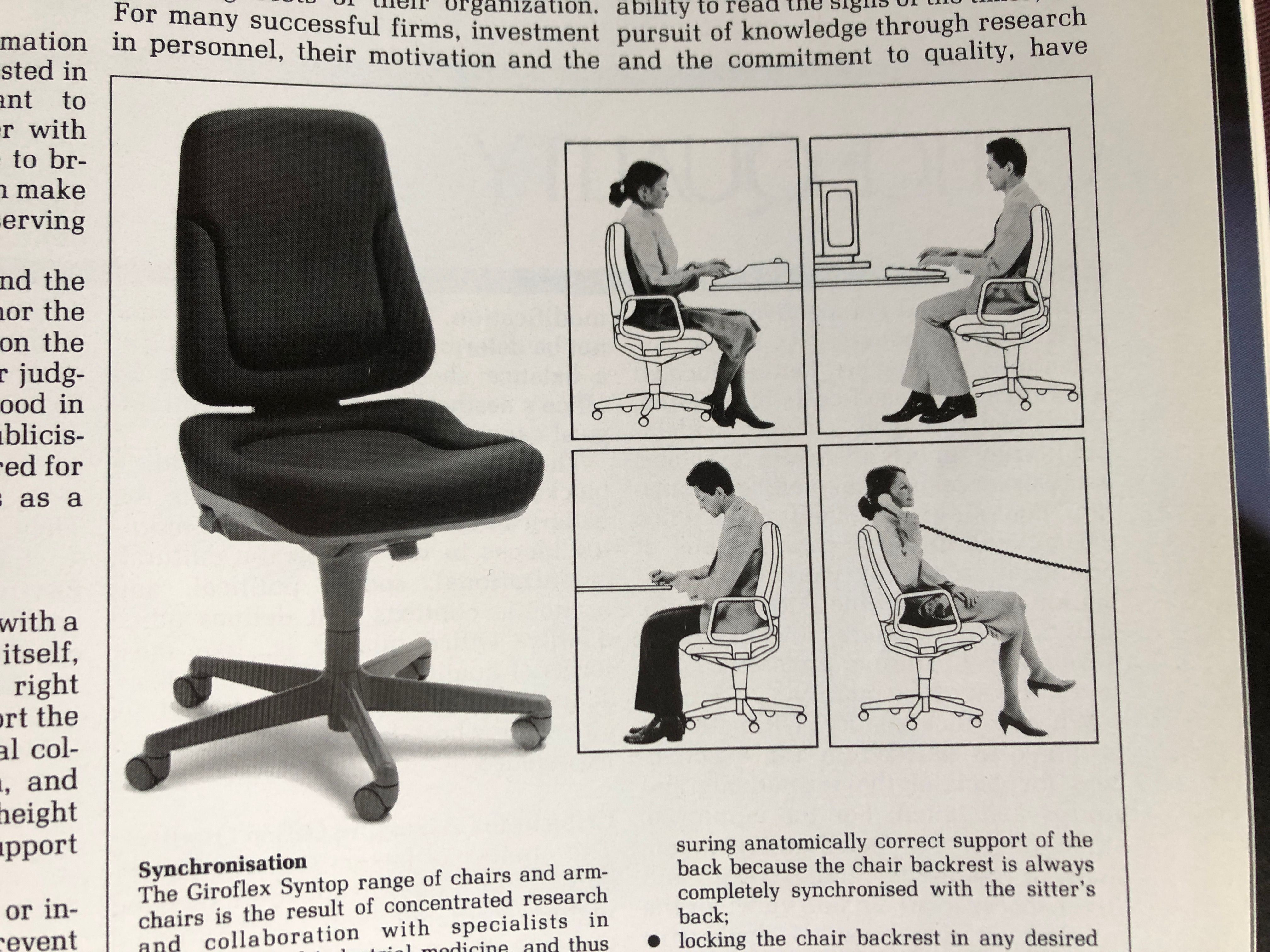
If I wasn’t sitting at my computer right now, I would be trying out all of Bruno Munari’s postures for seeking comfort in an uncomfortable chair –– with a computer on my lap instead of a newspaper.
If I wasn’t sitting at my computer right now, I would take a nap.
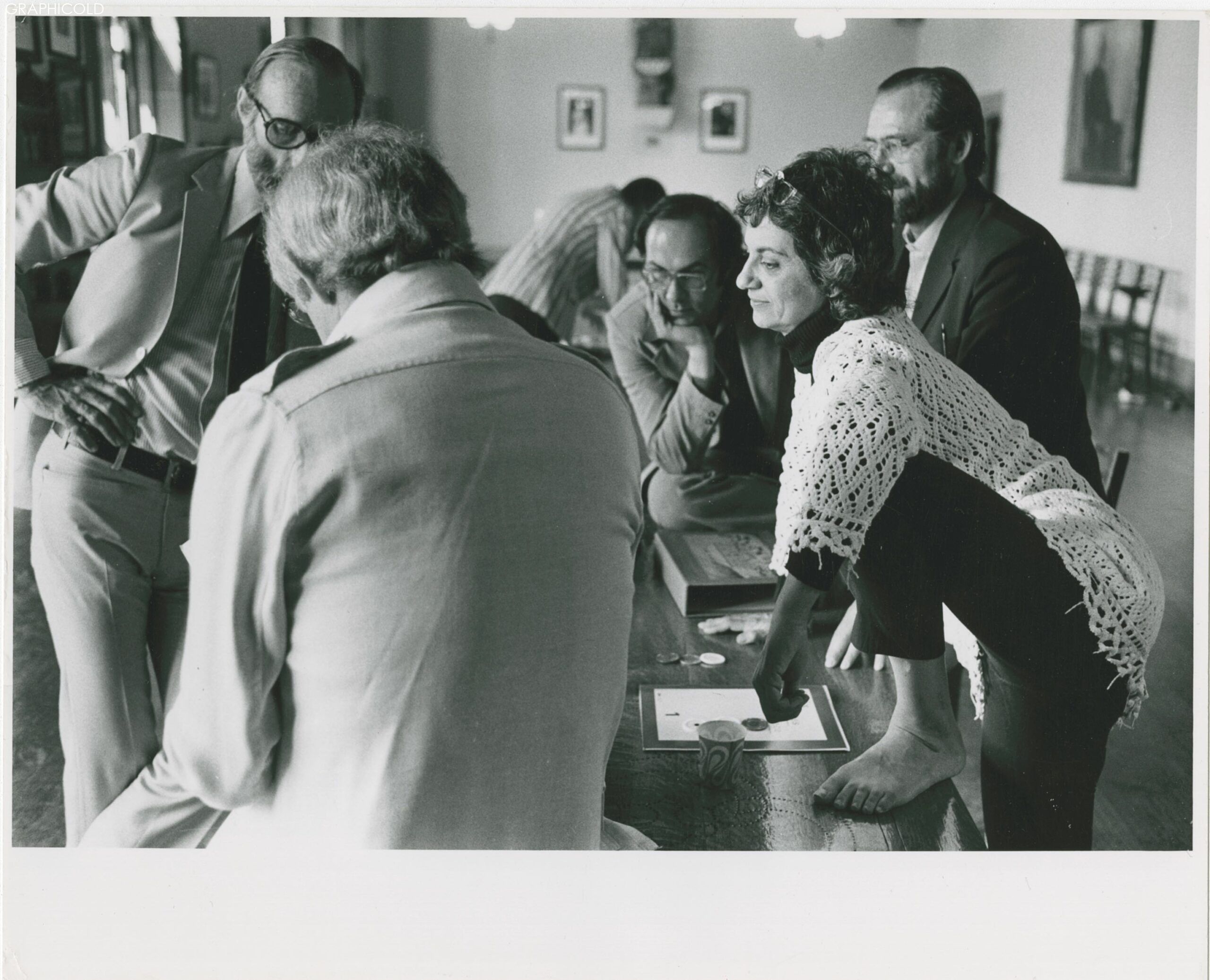
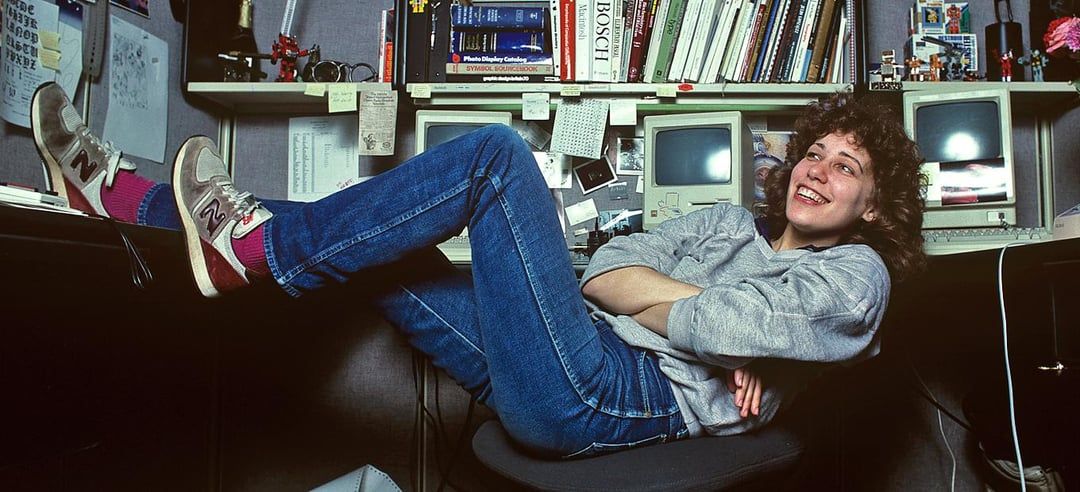
If I wasn’t sitting at my computer right now, I would be standing up with bare feet, like Muriel Cooper, with one naked foot up on the table.
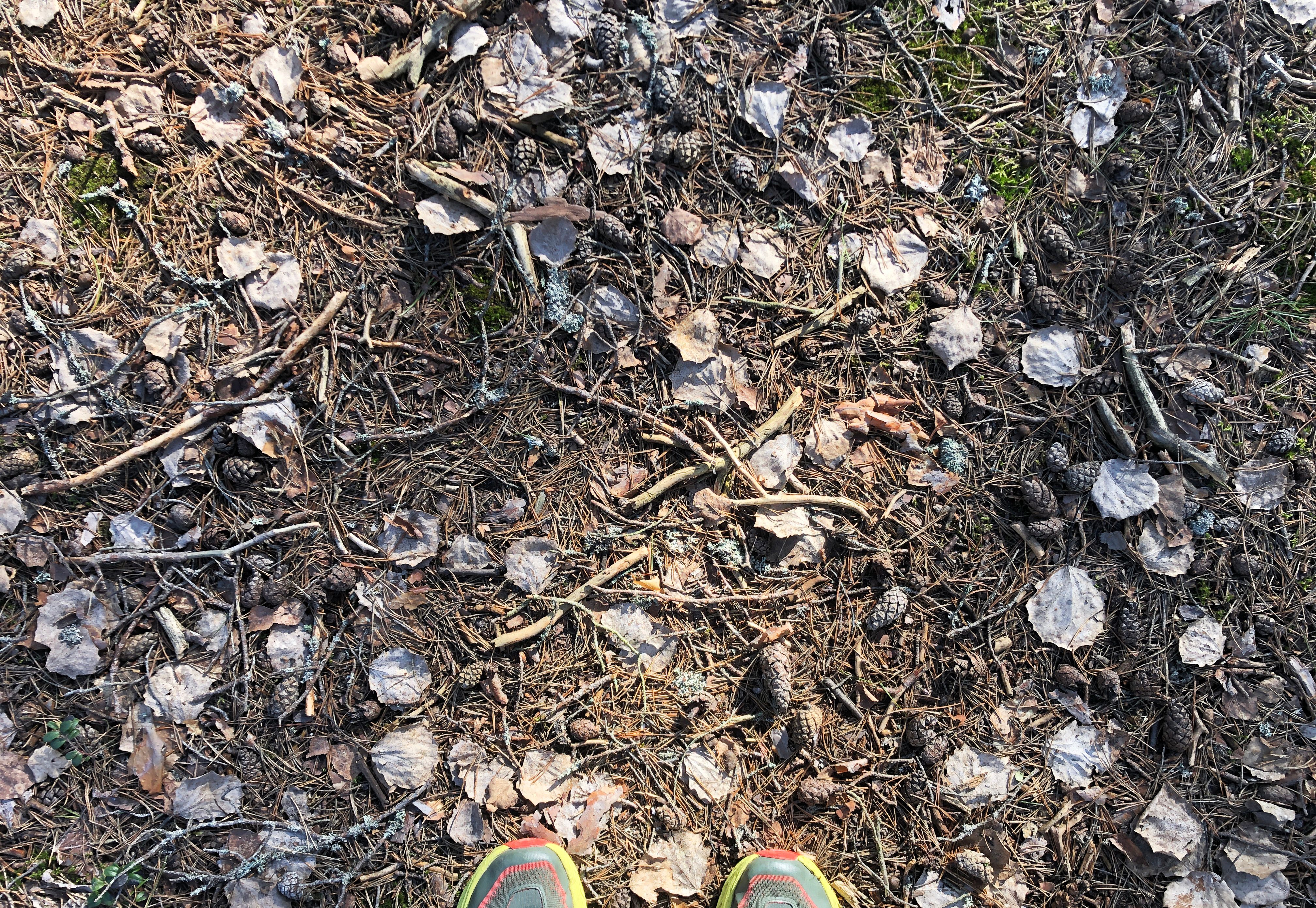
If I wasn’t sitting at my computer right now, I would be walking through the forest near my house, tracing the ground and all the fallen needles and sticks looking for a different language, thinking about how the written word, and its alphabets, have abstracted and distanced us from more embodied and intimate connections with more-than-human worlds.
If I wasn’t sitting at my computer right now, I would be in a workshop printing a t-shirt that says “desk workers of the world stand up”.
If I wasn’t sitting at my computer right now, I wouldn’t feel so light headed. The first time I merged with a laptop, I remember a sense of euphoria. The messy body of a teenage girl extended into another virtual body, another world, another body-world. A glowing, sleek, smooth, crisp and clean world, full of shortcuts and windows. I eagerly learned, rehearsed, performed and re-performed repetitive gestures in micro-movements of fingers and eyes—scrolling, clicking, dragging, sliding. The virtuosity and ease was intoxicating, interrupted only by the spinning wheel of death or need for a toilet break. Do muscles and bones take on rectangular shapes? It sure feels like that at times.
If I wasn’t sitting at my computer right now, I would make up another choreography. This one is getting old.
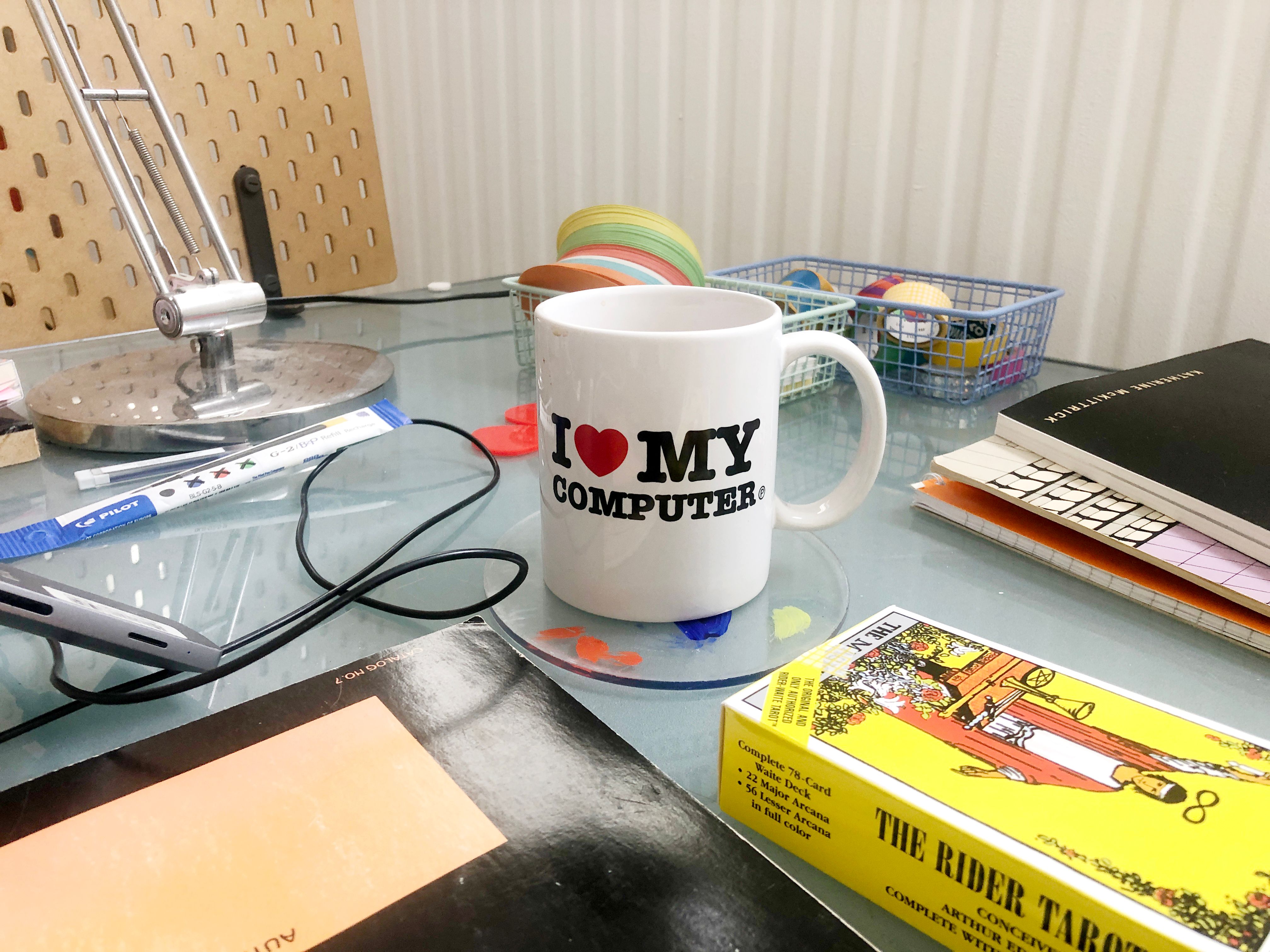
If I wasn’t sitting at my computer right now, I would learn about somatics. Not learn learn, I mean body learn. Soma, from the Greek word meaning "living body." Your body as experienced from within; your living, felt sense of your body rather than your body as observed from the outside.
If I wasn’t sitting at my computer right now, I would move more awkwardly506
If I wasn’t sitting at my computer right now, I would not be feeling how the form and composition of this body doing the labour is affecting the form and composition of the design in front of me.
If I wasn’t sitting at my computer right now, I would ask my computer how it feels sharing its life with me. I’ve asked the MA students at the Estonian Academy of Art to do the same in the years I’ve been teaching there. “Write for 20 minutes about a day in the life of your computer, in the first-person point of view.”
If I wasn’t sitting at my computer right now, I would be in 1987 in the typesetting offices of the Swedish daily newspaper Dagens Nyheter, reading the internal staff newsletter Humlan reporting on the workplace injuries of the staff. In the typesetting department people report: fingers, hands, elbows, arms, neck, back and hips (can depend on too much sedentary work). Eyes: vision impairment, sandy eyes. Worry about radiation, mental health issues and monotonous work tasks. In the same newsletter I would read about the Austrian union demanding one hour of rest to one hour of work, for anyone working at a screen.
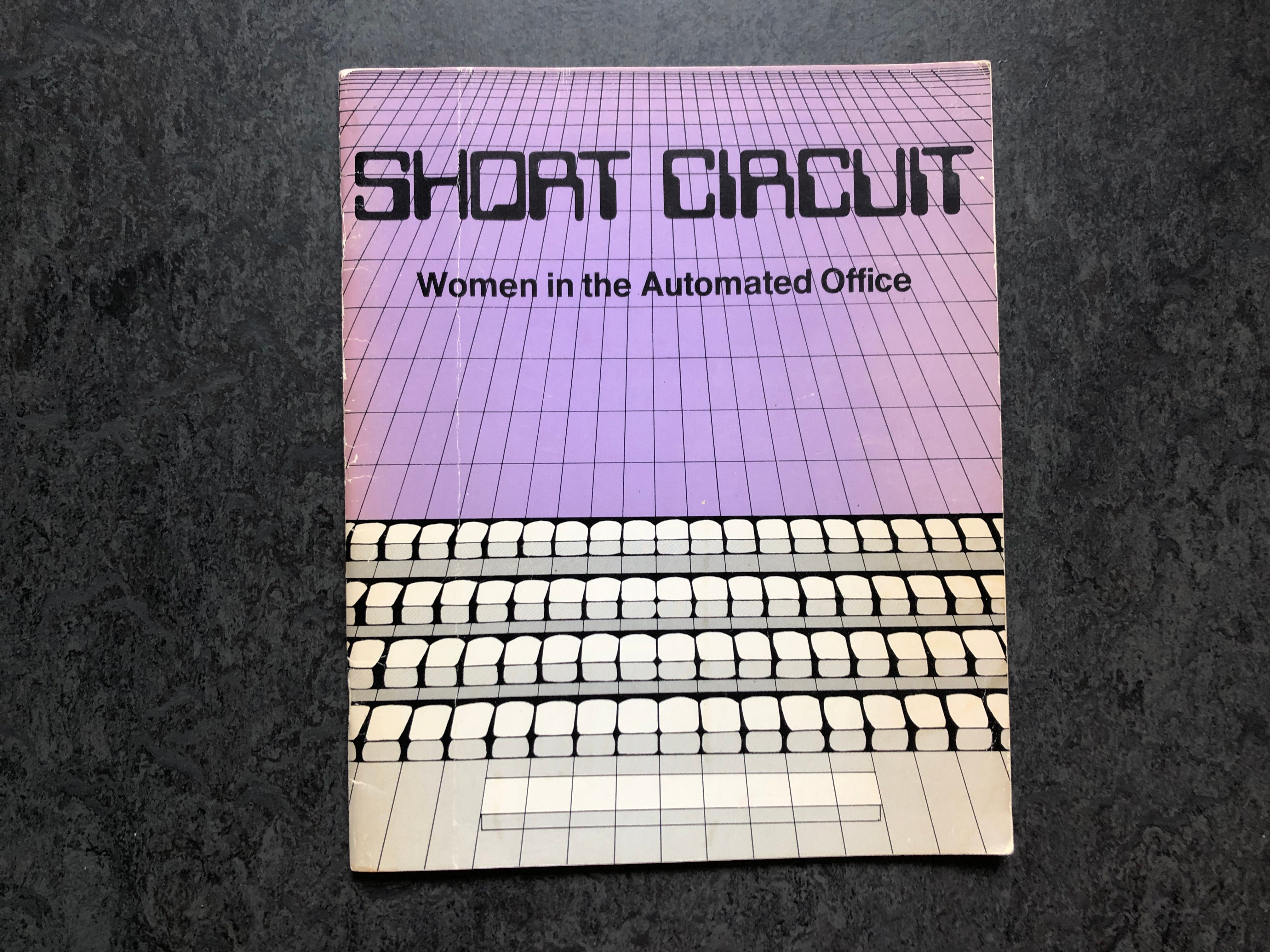
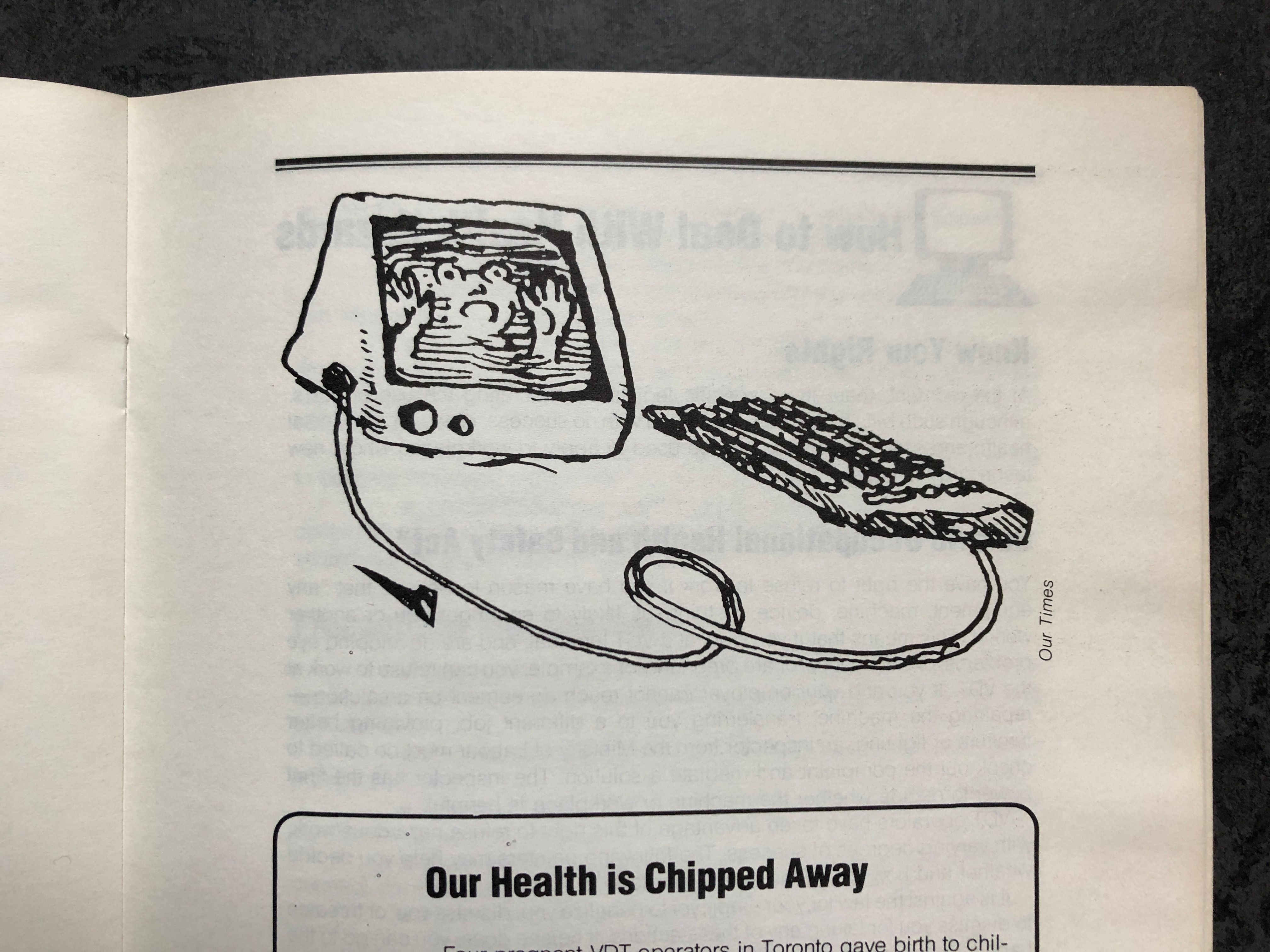
If I wasn’t sitting at my computer right now, I would be reading the pamphlet ‘Short Circuit – Women in the Automated Office’ published by The Participatory Research Group in 1985.
If I wasn’t sitting at my computer right now, my thighs wouldn’t be as warm.
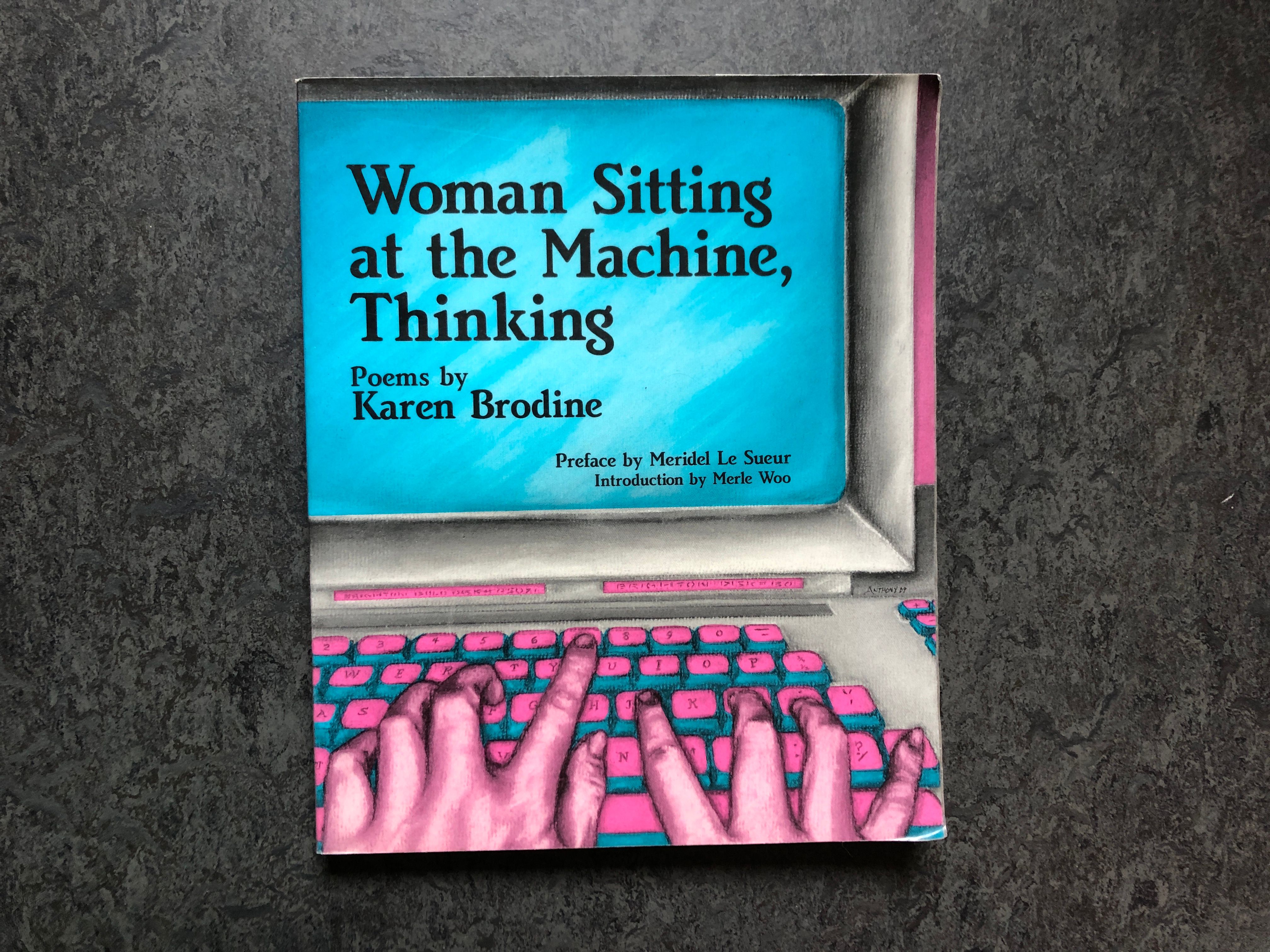
If I wasn’t sitting at my computer right now, I would be in San Francisco visiting the archives of Karen Brodine. In 1987 she died from breast cancer, barely 40 years old. She was a typesetter, a poet, a union activist, a dancer, a friend, a lover. On the cover of her posthumously published book ‘Woman Sitting at the Machine, Thinking’ is a drawing by Eve Anthony. The drawing depicts a pair of hands hovering above a computer keyboard, mid-action. They could be my hands. Above the keyboard is a blue glowing screen. The book is designed by Helen Gilbert, with editorial/technical assistance by Clara Fraser, Mike Warner, Tamara Turner, Raya Fidel and Gaby Garza. It’s typeset in Korinna and Benguiat by Imageset, Mercer Island, Washington.
If I wasn’t sitting at my computer right now, I would be reading this poem:
she thinks about everything at once without making a mistake.
no one has figured out how to keep her from doing this thinking
while her hands and nerves also perform every delicate complex
function of the work. this is not automatic or deadening.
try it sometime. make your hands move quickly on the keys
fast as you can, while you are thinking about:
the layers, fossils. the idea that this machine she controls
is simply layers of human workhours frozen in steel, tangled
in tiny circuits, blinking out through lights like hot, red eyes.
the noise of the machine they all sometimes wig out to, giddy,
When Karen Brodine describes how work happens within her, inside of her body, mind and heart, she puts into words the invisible and the unsaid, that which is to be kept invisible and unsaid, wrapped up in glass and metal. That which is not named cannot exist or be shared with others. Patterns. Choreographies. Karen Brodine is seated at a computer terminal which gives her headaches. She names the headaches, and protests them. She laughs with colleagues, at the bosses behind the glass doors. The (female) bodies in the office, laughing.
If I wasn’t sitting at my computer right now, I wouldn’t be so still.
If I wasn’t sitting at my computer right now, I would read some paragraphs in Paul Preciado’s book Dysphoria Mundi. Dysphoria meaning “a profound sense of unhappiness, distress, and indifference”, gender dysphoria is the medical diagnosis assigned to people who “feels a profound sense of unease and dissatisfaction with their sex assigned at birth”. In the book, he aims to depathologise and reappropriate the term; dysphoria should not be seen as a mental illness, but rather as the condition that defines our times. “Your dysphoria is your resistance to the norm,” he writes. “In it lies the power to transform the present.” If you have feelings of restlessness, irritability, sadness or distress, you’re dysphoric.
If I wasn’t sitting at my computer right now, my imagination wouldn’t be held so still.
If I wasn’t sitting at my computer right now, I would try to count the 27 bones that make up my hand.
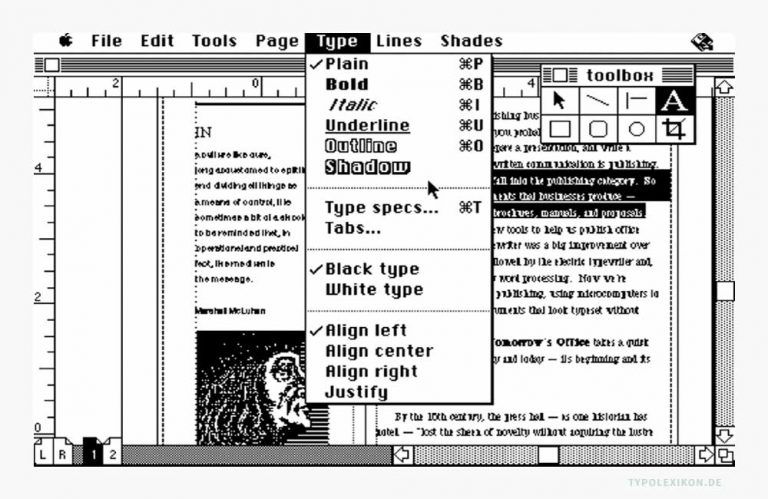
If I wasn’t sitting at my computer right now, I would be there, in the 1980s when the Aldus Corporation developed PageMaker (the software that would later become InDesign) and I would draw it differently.
Or I would be there with Susan Kare when she’s designing the trash can icon, the tiny gloved hand icon, the tiny clock icon, and all the icons for files and folders. Look, there is a thick Hieronymus Bosch-book next to a Macintosh-book on her shelf. Let’s make some Hieronymus-inspired icons for a change.
If I wasn’t sitting at my computer right now, I would designate body not as an adjective but as a verb. To body or not to body. Most of the time, most people, don’t body.
If I wasn’t sitting at my computer right now, that would be rare. Over the past decade, my designer body has been folded around a laptop, performing the same motions over and over. As a graphic designer I make language move across screens and pages, across sheets, into and out of books– enabling language to move through the world, to be held, kept, shared and read. A lot of this work is performed in relative stillness. I am attached to a keyboard, a mouse or track pad. Eyes glued to the screen. A subtle but relentless choreography of labour. At the end of the day when my laptop folds shut I stand, stretch, and unfold.
If I wasn’t sitting at my computer right now, my body would be elsewhere, white, able, female cisgendered, middleclass, queer. It holds its layers of ancestral memories within bones, nerves and muscles; acts of violence and suffering alongside struggles for freedom, love and happiness.
If I wasn’t sitting at my computer right now, I would be teaching graphic design by way of a simple game:
1) Write down all the digital design gestures that you perform on a daily basis on small strips of paper.
2) Put them in a hat.
3) Pair up with a friend, pick a word from the hat, and perform it for the audience until they can guess what you are trying to embody. In translating interfacial gestures
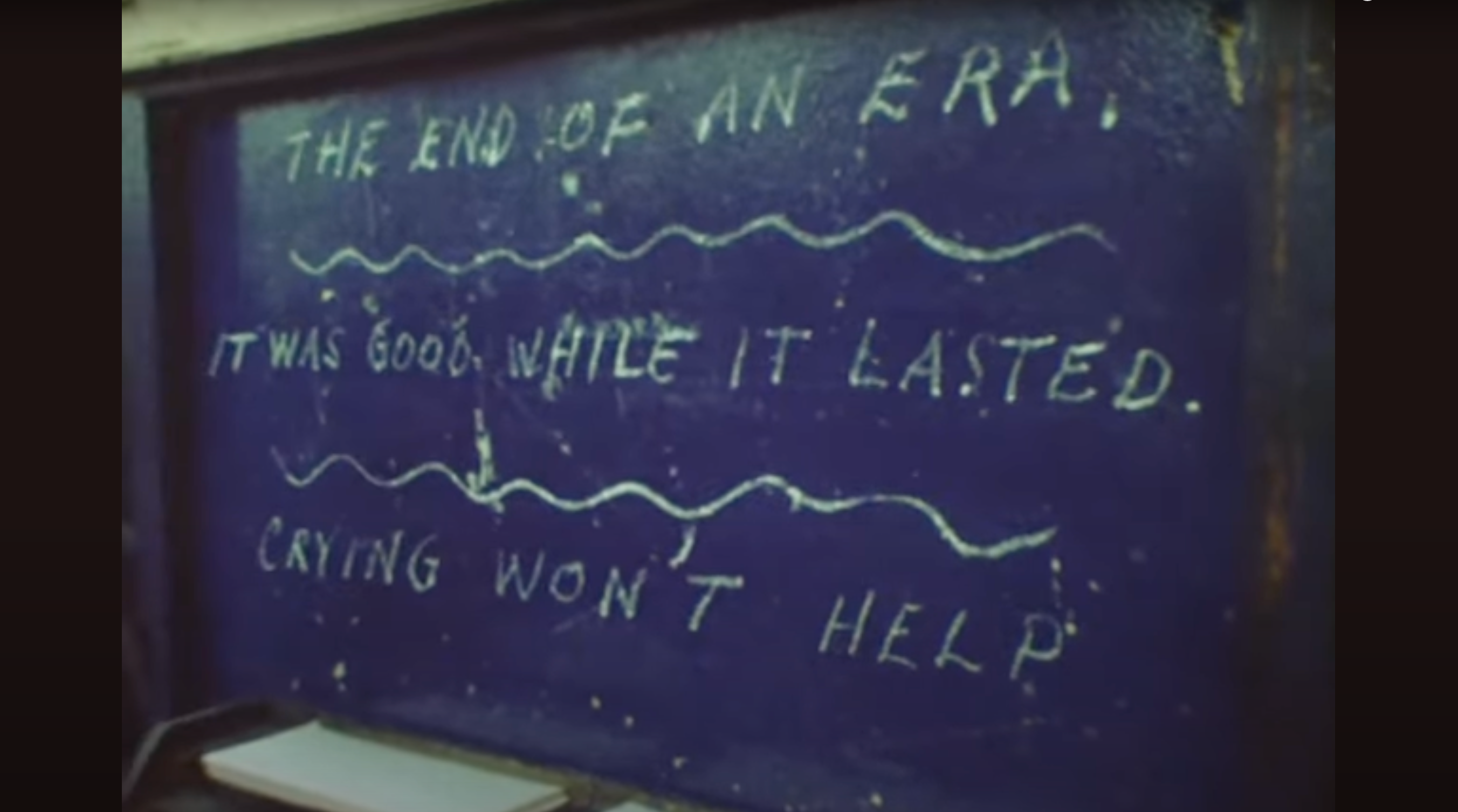
If I wasn’t sitting at my computer right now, I would be watching the film Farewell Etaoin Shrdlu, listening for the grief in the stories of the hot metal typesetters at the New York Times, during the last night of work as they know it before it is completely transformed and transfixed in front of screens. I would be thinking about the trap door that is nostalgia, the risk in putting on cosy rose-tinted glasses when looking back on past ways of making and working, past bodies and their postures.
If I wasn’t sitting at my computer right now, I would be one of the women hired in the 1980s and 1990s at the new computerised typesetting jobs. When typesetting and production shifted from workshop floors, heavy metals, and blue collar (men) to office landscapes, QWERTY keyboards, and white collar (women), the bosses would have refused to call me a typesetter. I would have been called a “perforator” or “electronic technician”.
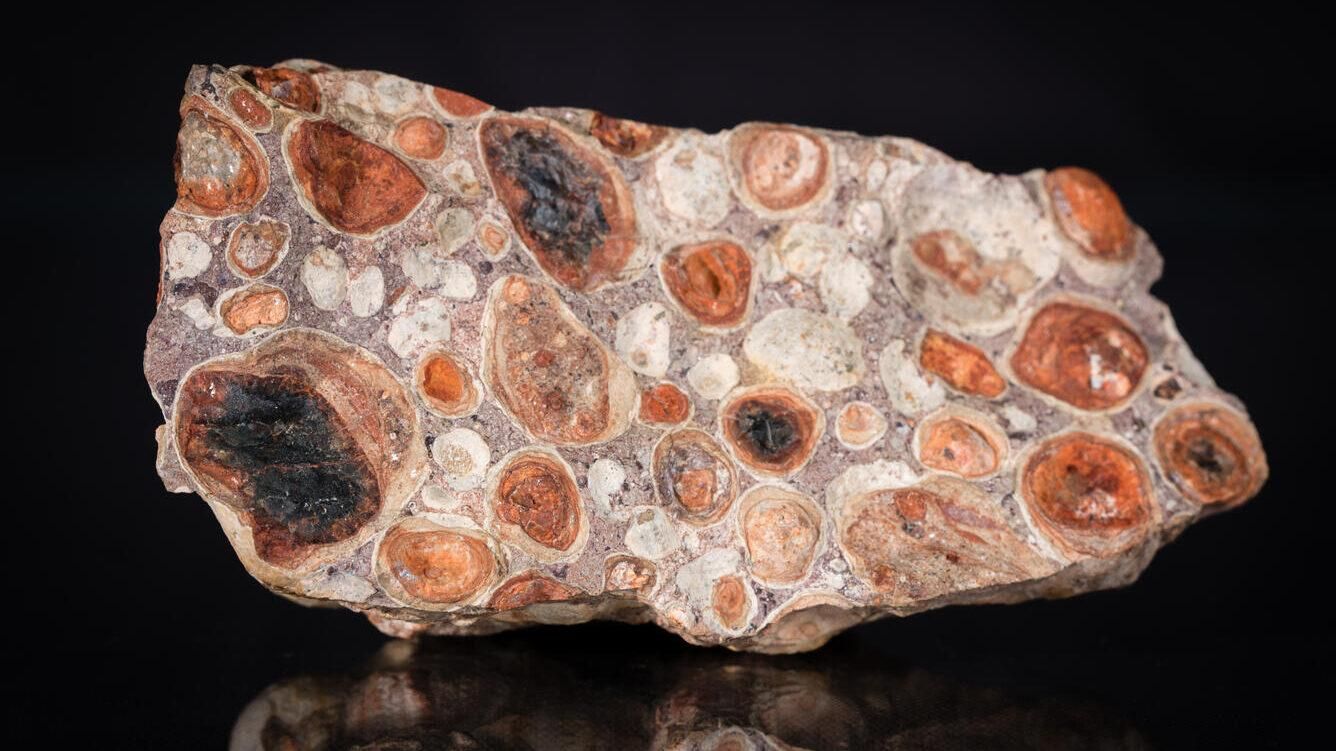
If I wasn’t sitting at my computer right now, I would be a small piece of bauxite, mined to become aluminum.
If I wasn’t sitting at my computer right now, I would be doing the Total Body Workout by graphic designer and performance artist Kexin Hao.
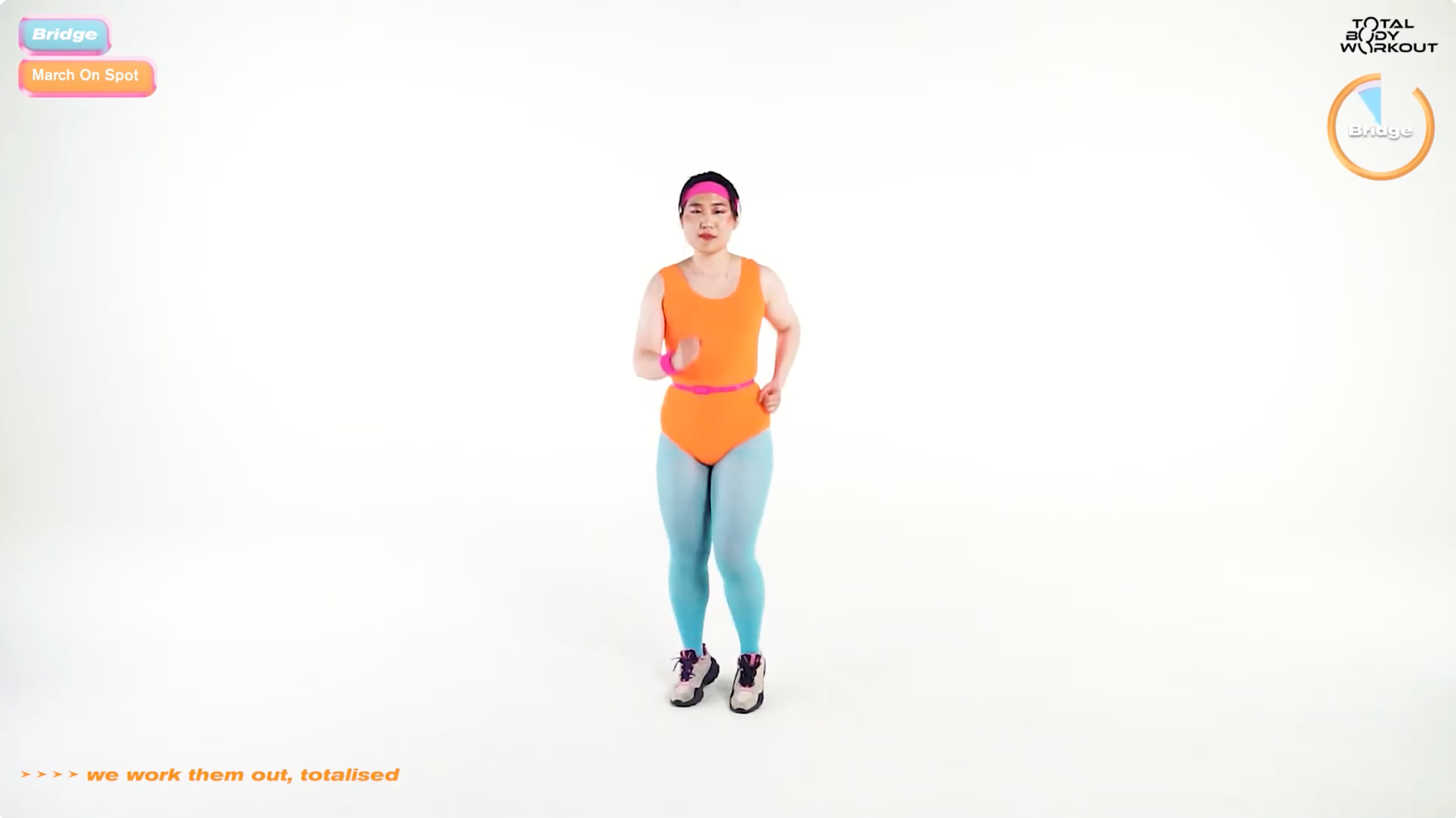
If I wasn’t sitting at my computer right now, I would be doing my own total body workout.
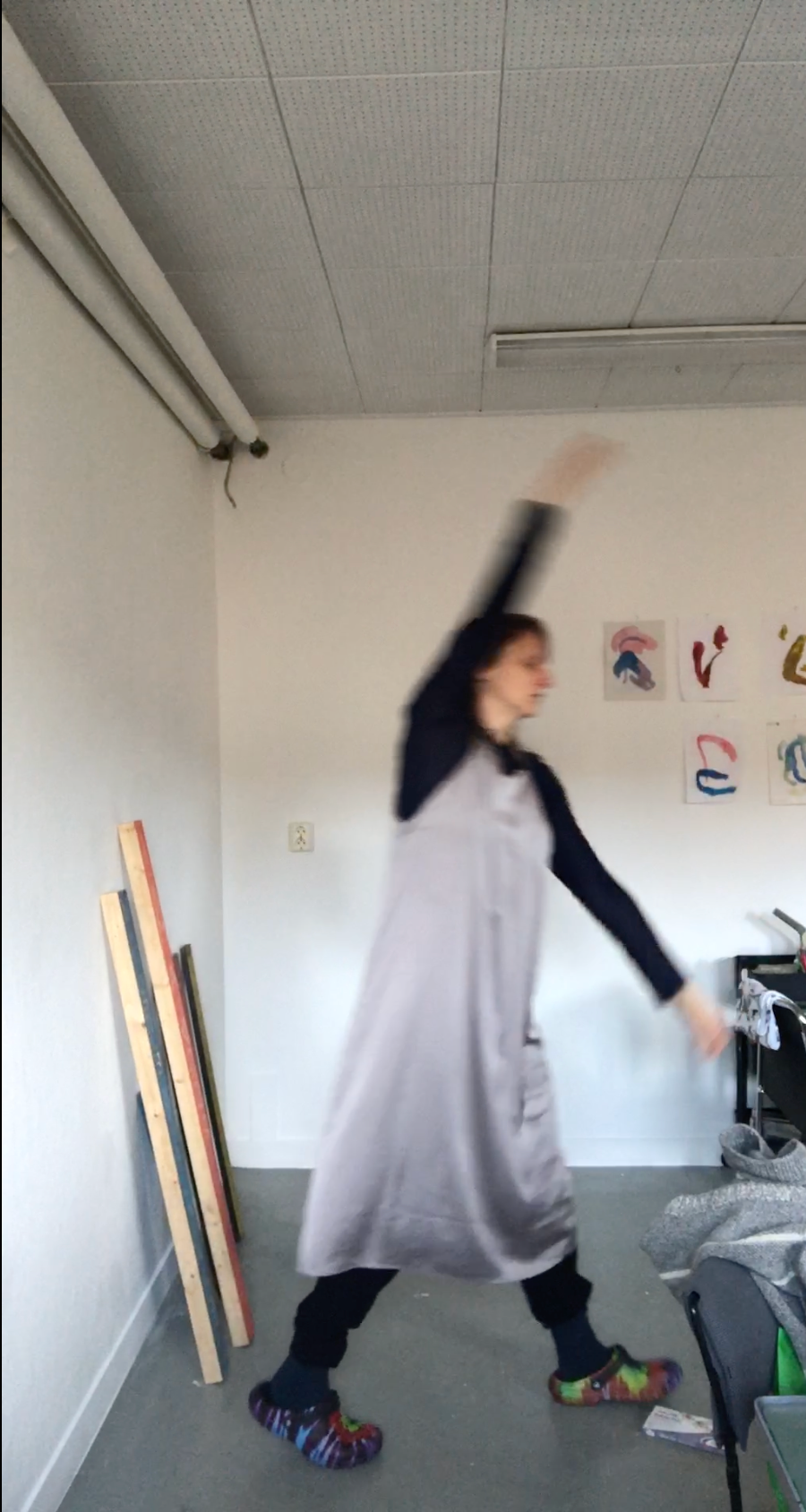
If I wasn’t sitting at my computer right now, I would try to sense my body’s position, movement, and effort in space. There is a word: proprioception. Notice your fingertips tapping or sliding, your wrist maneuvering the trackpad or screen, your eyes scanning these words and the next. All of this is performed with such habitual precision that it becomes invisible, part of an internalised bodily knowledge.
If I wasn’t sitting at my computer right now, I would daydream about what a convivial computer507 would look like. What a convivial design practice would look like.
If I wasn’t sitting at my computer right now, I would be nodding along to Silvia Federici when she writes: “Fixation in space and time has been one of the most elementary and persistent techniques capitalism has used to take hold of the body.”508
If I wasn’t sitting at my computer right now, I would look at my computer and through it, to see the bodies hiding within. The bodies of water, rivers and oceans, the bodies of whales, fish, and their beds of sand and rock that make up the glass and silicone components. I would see the scorching sun on the brown bodies of adults and children sweating, exhausted, exploited, making these machines possible. I would see working bodies after work dancing and eating. The interfacial choreography is all-encompassing and intricate. They are all partners in the dance, carrying their own agencies and memories. Nothing in this world is passive, unintelligible, nor devoid of past or future.
If I wasn’t sitting at my computer right now, I would walk outside to see who gets to sit, and who gets to stand while at work. I would see who gets to decide for themselves, whether to sit or to stand. Who gets to take a break, and who has to continue working even when exhausted. I would find myself in the category of those who get to decide who can take a break, who can protect their body from not stretching beyond itscapacity. All of this is relative and not blind to its privilege.
If I wasn’t sitting at my computer right now, I would be joining the swoletariat.
If I wasn’t sitting at my computer right now, I would stage a collective renegotiation of how design is performed and produced. If current graphic design practices and choreographies are the result of historical, technological and bodily negotiations — compressing physical labor into keystrokes, embedding economic and industrial logics into software — they can also be renegotiated.
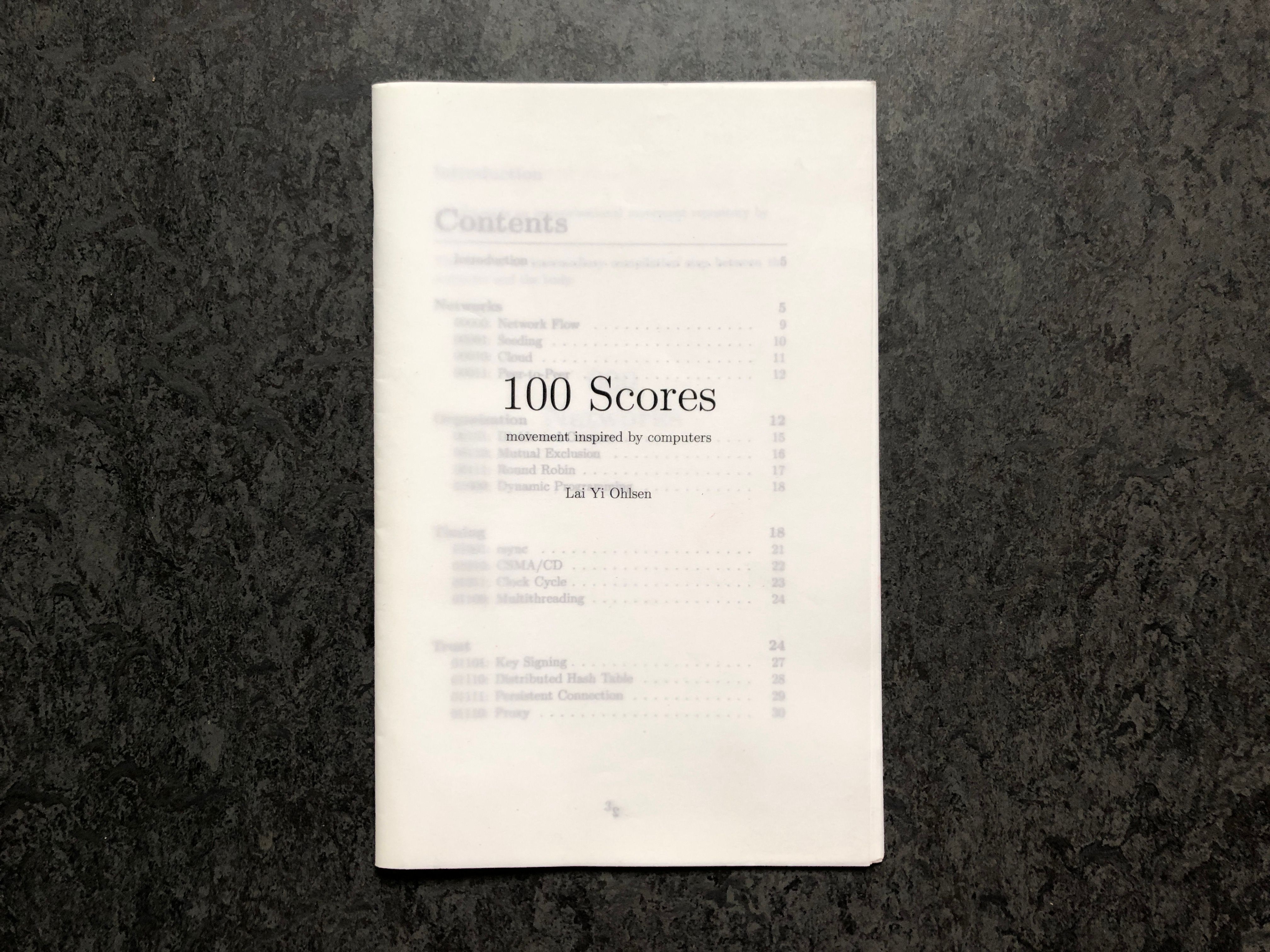
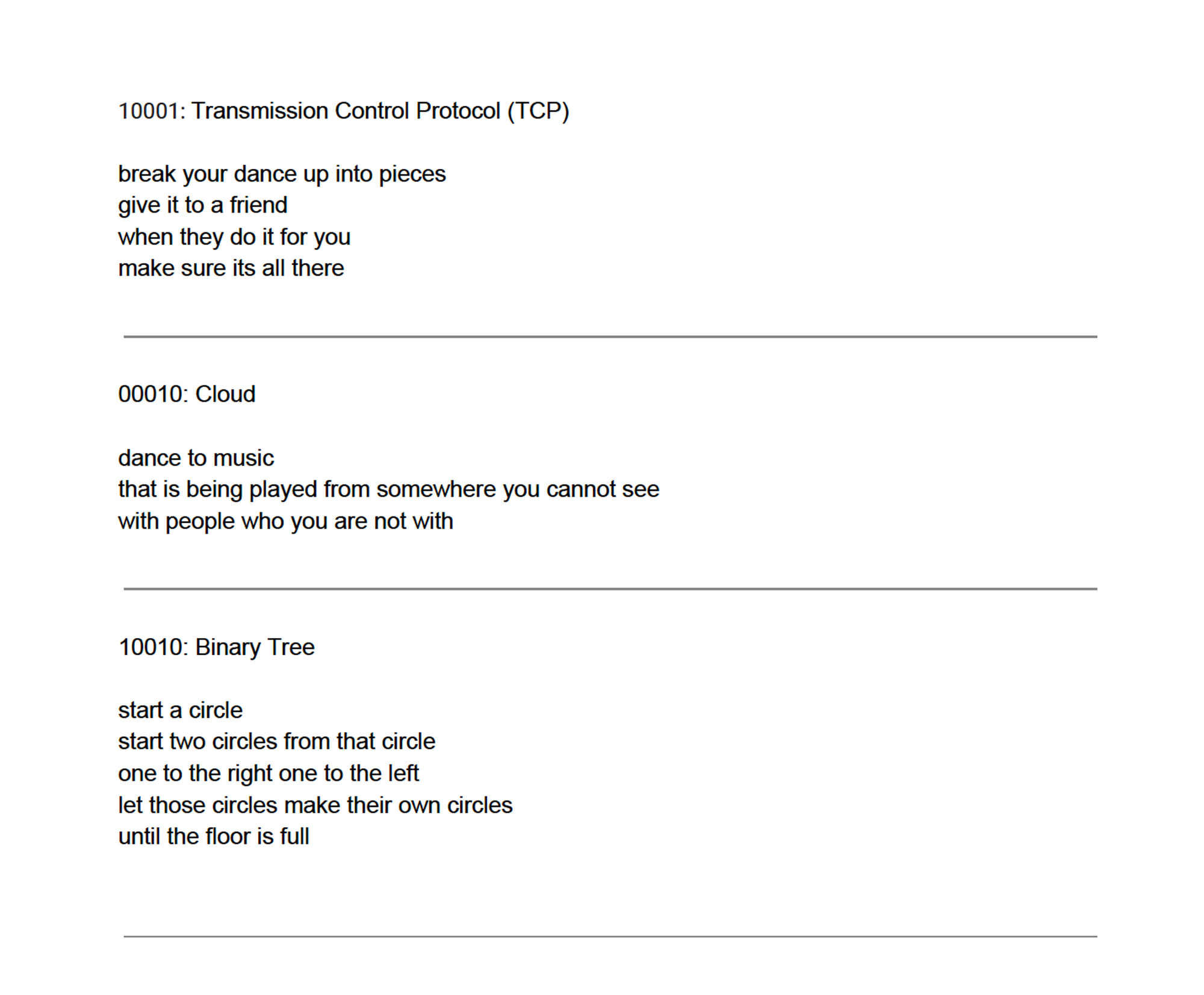
If I wasn’t sitting at my computer right now, I would use Lai Yi Ohlsen’s publication 100 Scores: movement inspired by computers as a manual.
If I wasn’t sitting at my computer right now, I would be at the beginning of time, doing it all over again. Can it be true that humans being wheeled around in containers of metal, plastic and glass holding a portable burner emitting poisonous fumes from its behind, then laying out carpets of tar and sand across the world to make these containers speed around more smoothly is the best we do? There is an alternative now to uncover.
If I wasn’t sitting at my computer right now, I would find my body and I would write some poetry. I would find my body to find fellow working bodies, to find their hearts, sweat, and aches.
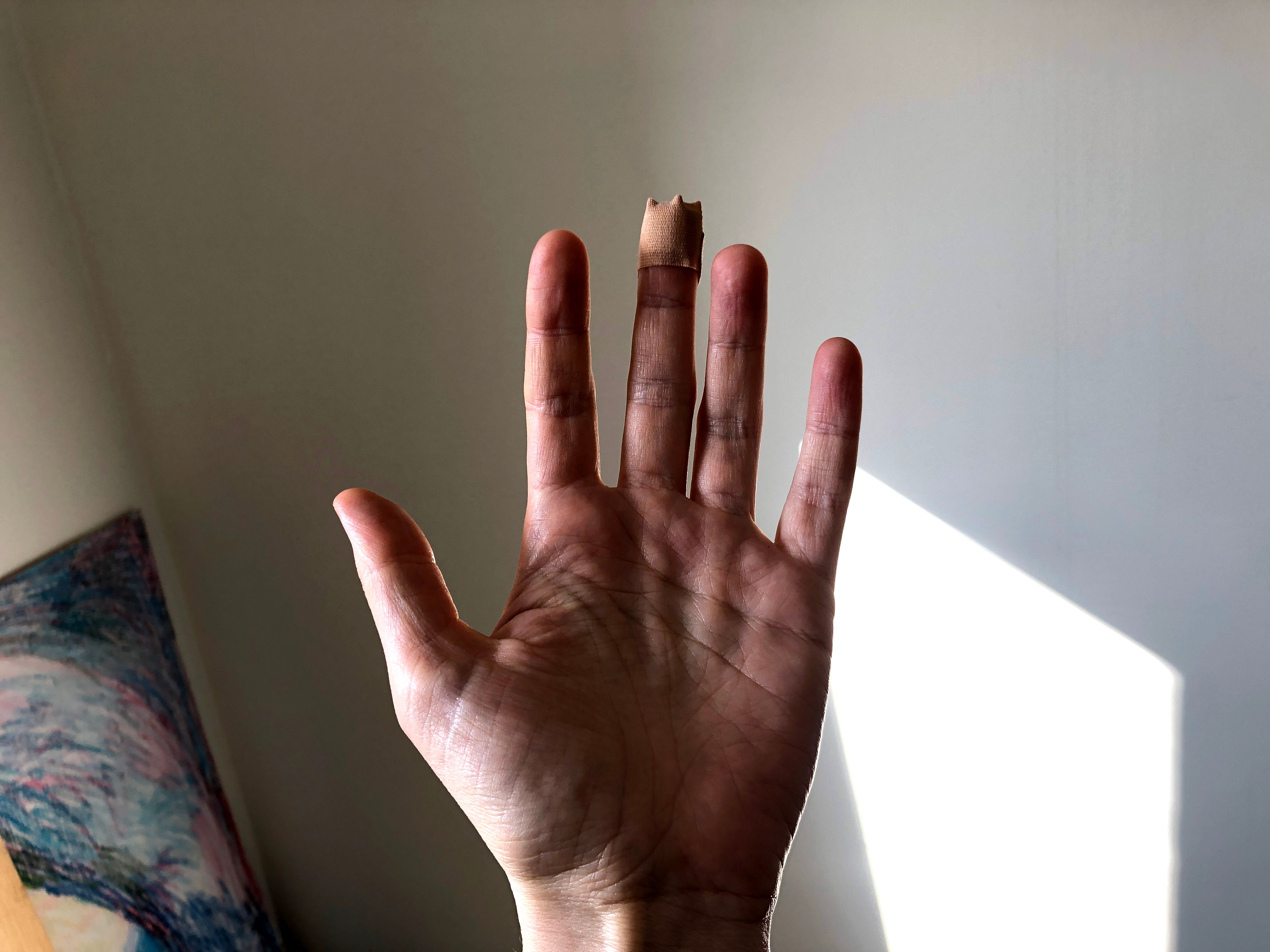
If I wasn’t sitting at my computer right now, I would make a small cut in the tip of my right index finger:
I know that typesetters
grow more capillaries
in our fingertips
from all that use.
here’s a test: cut my fingers
and see if I bleed more.
Acknowledgements: This text is written in dialogue with the practices of Emma Hoette, Micaela Terk, Amanda Hase, Emily Smith, Vivien Tauchmann, Silvia Sfligiotti, Sara Duell, Rebecca Wilkinson, J.Dakota Brown.